




Gastric Cancer
Latest News
Advertisement
Latest Videos



Shorts

1:27
Unifying Perioperative Immunotherapy Globally in Gastric Cancer Treatment
a month ago
by
Yelena Y. Janjigian, MD

0:56
Pathologic CR Rates May Provide Early Indicator of Cure in Gastric Cancers
a month ago
by
Yelena Y. Janjigian, MD

0:56
Treating Gastric Cancer With “Modern” FLOT Backbone Regardless of PD-L1 Status
a month ago
by
Yelena Y. Janjigian, MD
Podcasts

CME Content





























Advertisement
More News

Although findings did not show differences in eating restrictions 1 month following gastrectomy, the mobile intervention may help with symptom management.
The COMPASSION-37 study is the second international registrational study for cadonilimab following an ongoing trial in hepatocellular carcinoma.
Qualified surgeons may offer laparoscopic distal gastrectomy as an alternative to open distal gastrectomy among those with clinical T4a gastric cancer.
The overall survival benefit with the bemarituzumab combination in the phase 3 FORTITUDE-101 trial was consistent across key prespecified subgroups.
A numerically greater response rate with regorafenib/nivolumab may encourage a search for more non-chemotherapy combinations for gastric cancer.
A survival analysis stratified by demographic and clinical characteristics revealed an OS benefit was observed with across key subgroups.
Neoadjuvant radiotherapy prior to surgery was associated with a 3-year OS rate of 88.5% in patients with locally advanced rectal cancer.
Survival results were similar among all patients and PD-L1 subgroups with the domvanalimab regimen in gastroesophageal junction adenocarcinoma.
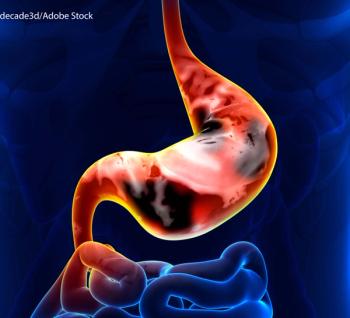
An independent data monitoring committee suggested the submission of an early NDA for serplulimab plus chemotherapy in early-stage gastric cancer.
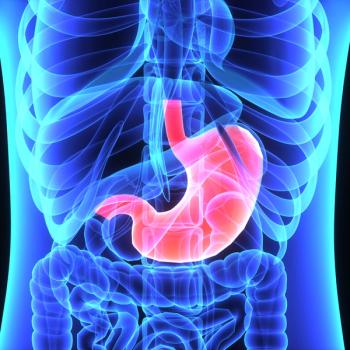
The incidence of grade 3 to 4 acute toxicities was similar in patients with high-risk gastric cancer treated with chemoradiation or chemotherapy.

Data from KEYNOTE-585 showed that adding pembrolizumab to chemotherapy did not negatively impact health-related quality of life vs placebo/chemotherapy.
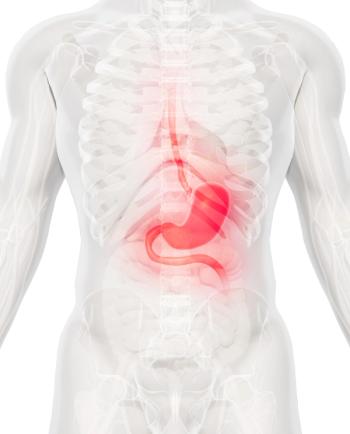
Results from the phase 3 MATTERHORN trial support the FDA’s designations for durvalumab in gastric/gastroesophageal junction cancers.
Phase 1b data show antitumor activity with the givastomig combination across a wide range of CLDN18.2 expression.
Results from the phase 1a/b trial evaluating ADRX-0405 in various solid tumors, including gastric cancer, are expected to come in late 2025.
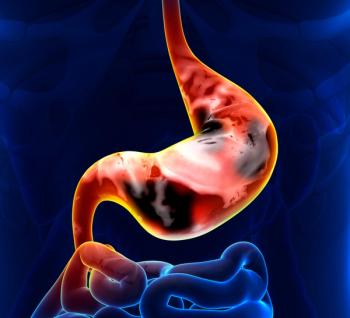
Investigators will present detailed results from the phase 3 FORTITUDE-101 trial at a future medical meeting.
Subgroup analyses from the phase 3 CheckMate649 and KEYNOTE-859 clinical trials showed little OS difference between investigational and chemotherapy arms.
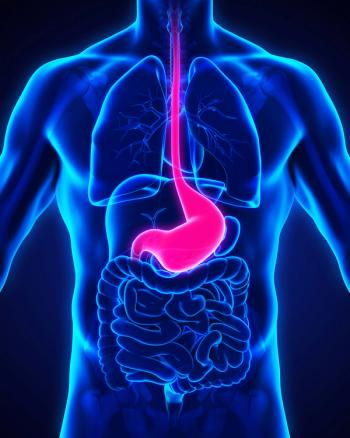
Phase 2 data may support nivolumab plus low-dose ipilimumab as a promising option in patients with microsatellite instability–high gastric cancer.
Satri-cel led to a median PFS of 3.25 months vs 1.77 months with physician’s choice in patients with pretreated gastric or gastroesophageal cancer.
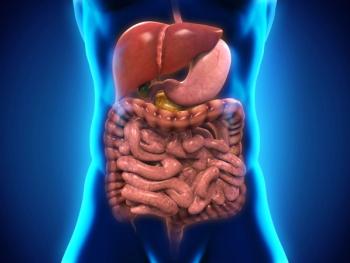
T-DXd improved OS, PFS, ORR, and DOR vs ramucirumab plus paclitaxel in the second-line treatment of HER2-positive gastric cancer or gastroesophageal junction adenocarcinoma.
Antitumor activity was observed in patients with gastroesophageal adenocarcinoma treated with the combination regardless of chemotherapy type.
The safety profile of TFOX was consistent with data reported in previous studies, and no new safety signals were identified.
Pathological complete response was higher among patients with ERBB2–positive gastric cancer or GEJ adenocarcinoma treated with atezolizumab vs without.
Results from the phase 2/3 trial also show a favorable OS trend for KN026 with chemotherapy vs placebo with chemotherapy in HER2-positive gastric cancer.
Nivolumab-based therapies showed improved efficacy vs chemotherapy in hypermutated and Epstein-Barr virus–positive gastroesophageal tumors.

Data from the phase 3 KEYNOTE-811 trial supported the FDA approval of this pembrolizumab combination in locally advanced unresectable or metastatic, PD-L1–positive, HER2-positive gastric or GEJ adenocarcinoma.
Advertisement
Advertisement
Trending on CancerNetwork
1
Modifiable Risk Factors Suggest Potential for Improving Cancer Prevention
2
Dato-DXd Receives Priority Review in Unresectable/Metastatic TNBC
3
2026 Tandem Meetings: What’s the Latest Research in Multiple Myeloma?
4
Outlining Advances in AI For Breast Cancer Screening/Radiomics
5