







Radiation Oncology
Latest News
Advertisement
Video Series



Latest Videos





Shorts
1:52
ACRO Day 2 Quick Take With CancerNetwork
4 hours ago
by
Ariana Pelosci(+1 more)

0:43
The Complex Decisions in Treating DCIS Breast Cancer
10 hours ago
by
Jean L. Wright, MD, FASTRO

1:03
Introducing RadOnc on the Run: CancerNetwork’s New Podcast Initiative
15 days ago
by
Brandon Mancini, MD, MBA, FACRO
0:37
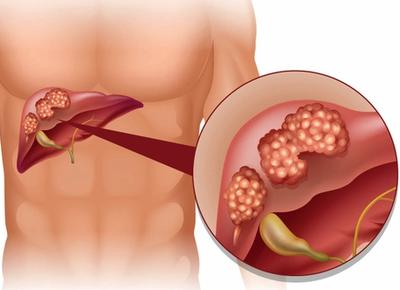
Y90/Radiosensitizing Chemotherapy Regimen Feasible in Liver-Dominnat NETs
3 months ago
by
Michael C. Soulen, MD

0:55
Proton Chemoradiotherapy May Reduce Severe Lymphopenia Rates
3 months ago
by
Eyub Akdemir, MD
Podcasts



CME Content































Advertisement
More News
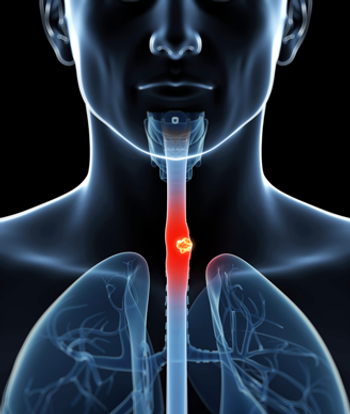
In patients less likely to respond to neoadjuvant chemoradiation, postoperative adjuvant therapy may be a viable strategy in this ESCC group.

Data from the CRITICS-II trial support total neoadjuvant chemotherapy plus chemoradiotherapy as a preferred candidate for future study in this population.

Neoadjuvant immunotherapy plus chemotherapy did not definitively increase the risk of severe pneumonitis compared with adjuvant immunotherapy.

Investigators assessed recurrence rates between axillary lymph node dissection recipients after neoadjuvant chemotherapy vs nonrecipients.

Overall survival significantly improved with radiation plus cisplatin/paclitaxel in the phase 2 RTOG 9911 trial over a historical control cohort.

Stereotactic body radiotherapy alone may be feasible instead of immediate systemic therapy in select patients with oligometastatic cancer.

How John G. Phillips, MD, MPH, and Tennessee Oncology are aiming to expand radiation oncology access in smaller communities across Tennessee.

Sunil Dutta, MD, discusses how whole-breast radiation or systemic therapy is responsible for controlling low-volume disease.

Findings from the P-RAD trial show encouraging rates of pathologic complete response among patients who received pembrolizumab plus radiotherapy.
HRQOL scores were similar among patients who received a radical cystectomy or bladder persevering therapy for non-muscle invasive bladder cancer.

Thomas Hope, MD, asserts that legislation aimed at resolving infiltration-related AEs does not address any relevant clinical issue.

Investigators noted 1 instance of rectovaginal fistula in the PEG gel arm, although rapid postoperative recovery occurred.

In the 177Lu plus SBRT arm, the median PFS was 17.6 months vs 7.4 months in the SBRT alone arm for patients with oligorecurrent HSPC.

Deeper short-term declines in quality of life occurred when combining cisplatin with radiation for those with intermediate-risk cervical cancer.


Ron Lattanze, MBA, provided his commentary regarding why H.R.2541 or the Nuclear Medicine Clarification Act of 2025 should be passed.

Establishing guideline harmonization and practice standardization may help promote the safe and consistent delivery of radiopharmaceutical therapies.

Due to certain errors in the 2026 PFS Final Rule pre-publication, ACRO has issued a statement while awaiting the publication of the 2026 HOPPS Final Rule.

A shorter course of radiotherapy may provide similar oncological outcomes as long-course treatment for older patients with locally advanced rectal cancer.

Combinations of antiangiogenic therapy with chemoimmunotherapy may feasibly be shifted forward in real-world extensive-stage small cell lung cancer care.

The Nuclear Medicine Clarification Act seeks to increase transparency in reporting potentially high-dose extravasations in administering radiation.

Grade 3 or 4 AEs were experienced by 42.9% of patients who received cisplatin plus radiation compared with 15.3% of patients who received radiation alone.

A new partnership agreement involving AI use may help spread radiotherapeutic standards from academic centers to more patients in community-based practices.

Data from the phase 3 ROADS trial show significant gains in efficacy without increases in safety concerns following the use of GammaTile.
Recent findings presented at ASTRO 2025 suggest an “exciting opportunity” to expand the role of radiation oncology in different nonmalignant indications.
Advertisement
Advertisement
Trending on CancerNetwork
1
Modifiable Risk Factors Suggest Potential for Improving Cancer Prevention
2
2026 Tandem Meetings: What’s the Latest Research in Multiple Myeloma?
3
Dato-DXd Receives Priority Review in Unresectable/Metastatic TNBC
4
Barriers to CAR T-Cell Referral and Center Access in Multiple Myeloma
5