

Results from the phase 3 LAPIS trial showed pamrevlumab/chemotherapy did not improve survival vs placebo/chemotherapy in locally advanced, unresectable pancreatic cancer.

Your AI-Trained Oncology Knowledge Connection!

Ariana Pelosci, managing editor for CancerNetwork® and the journal ONCOLOGY®, has been with the team since June 2021. She specializes in both web and print, and runs the social media accounts for CancerNetwork®.
She graduated from the University of Delaware, where she studied Media Communications and minored in journalism and marketing. At heart, she is a Jersey girl, and you can always find her down the shore during her free time.
Ariana loves to read, specifically historical or contemporary fiction. Follow Ariana on Twitter @APelosci or email her at apelosci@mjhlifesciences.com.
Results from the phase 3 LAPIS trial showed pamrevlumab/chemotherapy did not improve survival vs placebo/chemotherapy in locally advanced, unresectable pancreatic cancer.

Treosulfan plus fludarabine is now approved by the FDA as an injection for allo-HSCT conditioning for patients with AML or MDS.

Results from the phase 2 FDZL-001 trial showed high OS and PFS rates when camrelizumab plus Nab-POF was used to treat patients with gastric/GEJ cancer.
Results from the CodeBreaK 300 trial helped lead to the approval of sotorasib/panitumumab in KRAS G12C-mutated CRC.
The FDA has approved acalabrutinib in previously untreated MCL based on results from the phase 3 ECHO trial.
Data from CheckMate-67T support the approval of subcutaneous nivolumab in patients with solid tumors across all previously approved nivolumab indications.
Data from the RATIONALE 305 trial support the approval of tislelizumab/chemotherapy in unresectable or metastatic HER2-negative gastric or GEJ adenocarcinoma.

Of 18 patients with BRCA-mutated ER+/HER2– breast cancer, 3 had a pathological complete response when treated with niraparib plus dostarlimab.

Phase 2 results showed high undetectable MRD rates with pirtobrutinib, venetoclax, and obinutuzumab for patients with chronic lymphocytic leukemia.
The venetoclax regimen improved CR/CRi rates for patients with acute myeloid leukemia and myelodysplastic syndromes.
Results from the phase 3 ADRIATIC trial led to the approval of durvalumab in limited-stage SCLC.
Zenocutuzumab is now approved for patients with NRG1 fusion-positive NSCLC or pancreatic adenocarcinoma.
Results from the HERIZON-BTC-01 trial led to the approval of zanidatamab for patients with metastatic HER2-positive biliary tract cancer.
Patients with Philadelphia chromosome–positive CML in chronic phase will no longer be required to fast before taking nilotinib tablets.
Nicole Lamanna, MD, discusses addressing a clinically unmet need among patients with CLL who have relapsed on multiple prior lines of therapy.

Patients with newly diagnosed glioblastoma had improved survival when treated with TTFields plus temozolomide and pembrolizumab.
Results from the FELIX trial support the approval of obecabtagene autoleucel in B-cell ALL.

Updated OS findings from the PERLA trial showed continued success with dostarlimab plus chemotherapy in patients with advanced non–small cell lung cancer.
Kelley A. Rone, DNP, RN, AGNP-c, highlights how to best approach end-of-life discussions with patients receiving treatment for cancer.

The FDA has pushed back PDUFA dates for sotorasib and obeticholic acid for metastatic CRC and primary biliary cholangitis indications.

Adolescents and young adults with cancer more commonly experience financial toxicity and unmet social needs.

Those with pathogenic variants had a higher likelihood of communicating with clinicians and family members about test results.

Review data demonstrated a variation in opioid prescriptions for cancer-related pain between oncology providers and pain management providers.

Regardless of type 2 diabetes status, pancreatic cancer risk was reduced with metabolic-bariatric surgery for patients who were obese.

TAR-200 plus cetrelimab did not yield significant results vs chemoradiation in muscle-invasive bladder cancer.
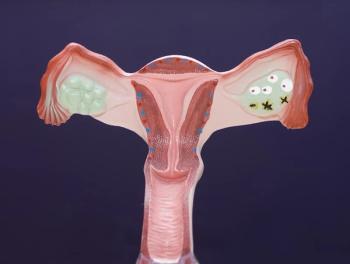
A new surgical option of uterine transposition may help preserve fertility for women who have cancers of the pelvic region.

Results from KEYNOTE-671 show an improvement in OS when a neoadjuvant/adjuvant regimen of pembrolizumab was used to treat patients with NSCLC.

Results from the INNATE trial showed the use of sotigalimab to be a safe and efficacious regimen for patients with rectal cancer.
Findings from the phase 3 CheckMate 77T trial support the approval of nivolumab plus chemotherapy for resectable NSCLC.

Efficacy findings were enhanced when 177Lu-Dotatate was used to treat patients with grade II/III recurrent meningioma.