







Breast Cancer
Latest News
Advertisement
Latest Videos


CME Content































Advertisement
More News
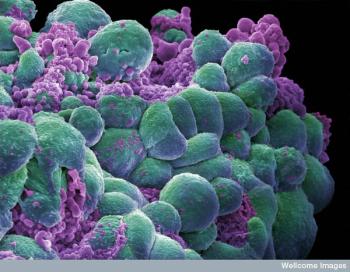
A phase 1/2 study showed that treatment with cyclophosphamide, SV-BR-1-GM, and retifanlimab yields favorable survival data in heavily pretreated patients with breast cancer.
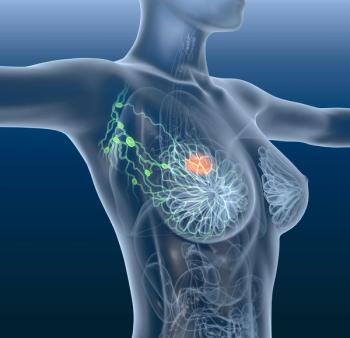
Broader margins used in lumpectomies can lead to a reduced radiation target area in patients with breast cancer, according to results from a study presented at the 2024 SABCS.
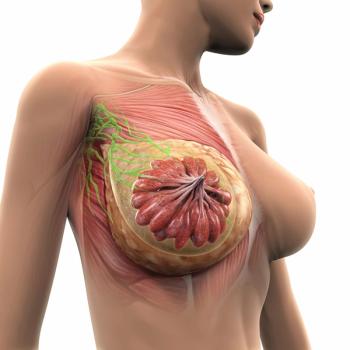
In a From All Angles program, a patient and her treating physician spoke about the initial diagnosis, care coordination, communication, and the adverse effects observed.
Ivonescimab with chemotherapy elicited a median progression-free survival of 9.36 months in patients with locally advanced unresectable or metastatic triple-negative breast cancer.
Phase 1b/2 data show antitumor activity with zanidatamab/evorpacept, including among heavily pretreated patients with HER2-low metastatic breast cancer.
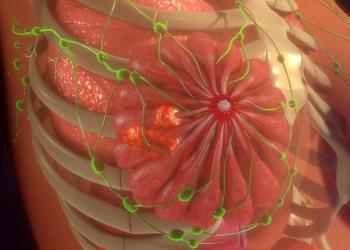
Phase 2 data indicate that CD8 status may serve as a biomarker for predicting treatment efficacy with tislelizumab-based treatment in TNBC.

The FITWISE clinical trial assessed the safety and tolerability of breast cancer treatments when patients use tirzepatide.
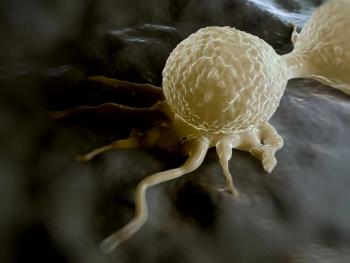
The first stage of a phase 2 trial evaluating neoadjuvant SHR-A1811 in breast cancer meets its primary end point of ORR.

LumiSystem prompted the removal of a median of 10.5cc extra tumor margin tissue in patients with breast cancer and did not significantly affect satisfaction outcomes.

Data from a phase 1b/2 study show a 78.6% ORR in patients with metastatic triple-negative breast cancer treated with PM8002/BNT327 plus nab-paclitaxel.

A study evaluating disparities in breast reconstructive surgery sought to assess the impact of culture, race, and ethnicity in minority groups.
Performance status, age, and comorbidities may impact benefit seen with immunotherapy vs chemotherapy in patients with breast cancer.

The phase 3 ZEST trial discovered that, with low ctDNA at baseline, the recurrence-free interval is longer for patients with triple-negative breast cancer.
Nab-paclitaxel elicited a pathologic complete response rate of 66.3% compared with 57.6% with docetaxel plus carboplatin, the phase 3 HELEN-006 trial found.

SABCS 2024 saw a variety of potentially practice-changing findings on novel antibody drug conjugates, biomarker data, and surgical interventions.

Multiple targeted therapies/sequencing possibilities are available following elacestrant’s approval for patients with breast cancer, Maxwell Lloyd, MD, said.
Since elacestrant’s emergence in the real-world setting, it has demonstrated superior efficacy outcomes compared with what the EMERALD study found.

Panelists discuss how emerging targeted therapies, including novel PI3K inhibitors and combination treatments, are advancing precision pathways in HR positive (HR+)/HER2 negative (HER2-) breast cancer, offering new hope for personalized treatment and improved patient outcomes.
Updated results from the 1b/2 ELEVATE study elucidate synergizing effects observed with elacestrant plus targeted therapies in ER+/HER2– breast cancer.
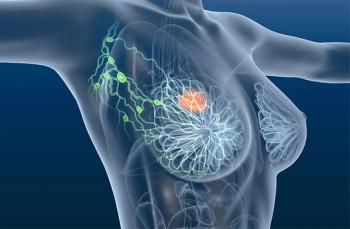
Patients with ER+/HER2– advanced breast cancer saw positive efficacy and safety data following treatment from the SERENA-1 trial.
Patients with ESR1+, ER+/HER2– breast cancer resistant to chemotherapy may benefit from combination therapy with elacestrant.
Ultra-sensitive ctDNA testing identified ctDNA at baseline in patients with HR–positive breast cancer, results from the PELOPS trial showed.
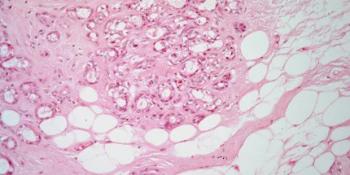
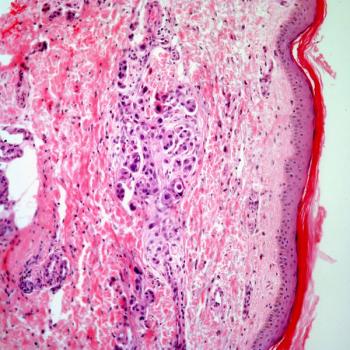
Atezolizumab with chemotherapy did not yield a significant increase to event-free survival compared with placebo with chemotherapy, 85.2% vs 81.9%, respectively.
Of 18 patients with BRCA-mutated ER+/HER2– breast cancer, 3 had a pathological complete response when treated with niraparib plus dostarlimab.
Advertisement
Advertisement
Trending on CancerNetwork
1
Modifiable Risk Factors Suggest Potential for Improving Cancer Prevention
2
2026 Tandem Meetings: What’s the Latest Research in Multiple Myeloma?
3
Dato-DXd Receives Priority Review in Unresectable/Metastatic TNBC
4
Barriers to CAR T-Cell Referral and Center Access in Multiple Myeloma
5