

































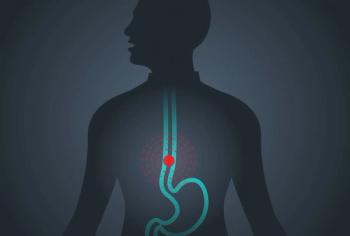
Patients with ERBB2-positive esophagogastric adenocarcinoma appeared to experience improved efficacy following treatment with a combination of trastuzumab and nivolumab plus leucovorin, fluorouracil, and oxaliplatin vs historical data.

Your AI-Trained Oncology Knowledge Connection!
Patients with ERBB2-positive esophagogastric adenocarcinoma appeared to experience improved efficacy following treatment with a combination of trastuzumab and nivolumab plus leucovorin, fluorouracil, and oxaliplatin vs historical data.
Jaffer A. Ajani, MD, spoke about the recent approvals of nivolumab plus ipilimumab and nivolumab plus chemotherapy for patients with esophageal squamous cell carcinoma.

The FDA has granted approval to nivolumab plus ipilimumab and nivolumab plus chemotherapy for patients with unresectable advanced or metastatic esophageal squamous cell carcinoma.
Although patients with stage I esophageal cancer who received early surgery had similar survival vs delayed surgery, those with stage II and III disease experienced improved outcomes.
Investigators reported positive topline findings from the phase 3 RATIONALE 306 trial, assessing the first-line combination of tislelizumab and chemotherapy in previously untreated unresectable, locally advanced, recurrent, or metastatic esophageal squamous cell carcinoma.
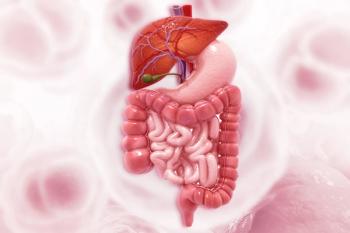
The CheckMate 648 trial found that using a combination of nivolumab and chemotherapy or nivolumab plus ipilimumab vs chemotherapy alone improved survival in advanced esophageal squamous-cell carcinoma.
Treatment with nivolumab/ipilimumab and nivolumab/chemotherapy has demonstrated efficacy in unresectable advanced, recurrent, or metastatic esophageal squamous cell carcinoma, with results from the CheckMate-648 trial leading to the acceptance of the regimens’ applications by the FDA.
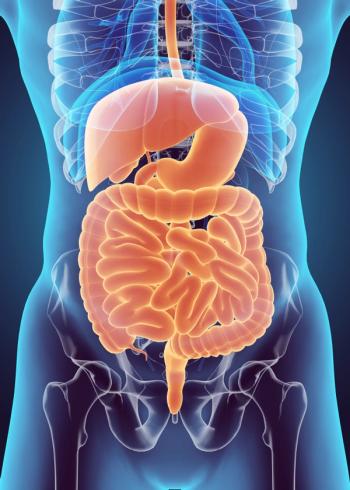
Pembrolizumab plus chemotherapy compared with the placebo plus chemotherapy demonstrated an improvement in overall survival and progression-free survival for patients with esophageal squamous cell carcinoma.
Data presented at 2021 ESMO show that nivolumab plus chemotherapy improves survival outcomes in certain patients with frontline gastrointestinal cancers, but not nivolumab plus ipilimumab.
Results from the phase 3 JUPITER06 trial demonstrated positive outcomes with toripalimab plus platinum-based chemotherapy in patients with treatment-naïve advanced or metastatic esophageal squamous cell carcinoma.
Results of 2 studies presented at 2021 ESMO demonstrate superior efficacy of sintilimab plus chemotherapy versus chemotherapy alone in certain gastrointestinal cancers.
Preliminary data from the phase 1b GO30103 study indicated that the combination of tiragolumab plus atezolizumab may have promise in patients with heavily pretreated metastatic esophageal cancer.
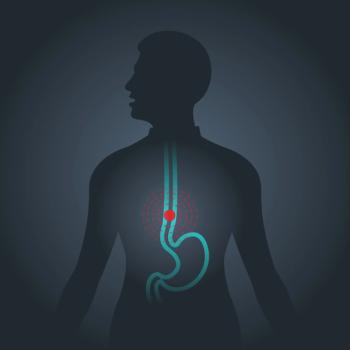
Survival outcomes improved when nivolumab was added to either ipilimumab or chemotherapy versus chemotherapy alone in advanced/metastatic esophageal squamous cell carcinoma
Data from the Journal of the American College of Surgeons suggest patients 70 years or older with esophageal or esophagogastric junction cancers should be evaluated for optimal curative therapy.
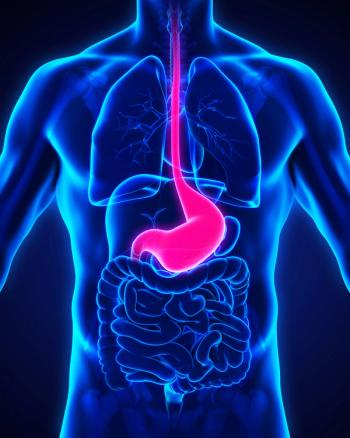
The phase 3 RATIONALE 302 trial demonstrated that compared to chemotherapy, tislelizumab showed a statistically significant and clinically meaningful improvement in overall survival in the intention-to-treat population of patients with advanced or metastatic esophageal squamous cell carcinoma.
A leading expert in the field of esophageal cancers discussed his upcoming research on cabozantinib combined with pembrolizumab to treat gastroesophageal adenocarcinoma at the 2021 ASCO Gastrointestinal Cancers Symposium.
Data presented at the 2021 ASCO Gastrointestinal Cancers Symposium found that health-related quality of life was steady and similar over the course of 18 weeks for patients receiving chemotherapy with or without pembrolizumab for esophageal cancer.

In addition to a concerning trend of increased rates of esophageal adenocarcinoma noted over the last 4 decades, this study also found that the proportion of those with advanced disease at presentation continues to rise for patients younger than age 50.
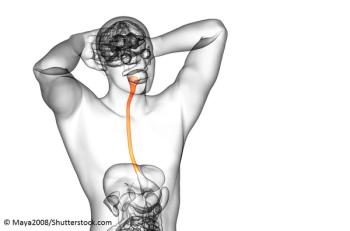
Researchers look at cost estimates stratified by stage, histology, and level of treatment.
Cancer Network spoke with Dr. Karyn Goodman about the importance of developing a systematic therapy regimen for the treatment of esophagogastric cancer.
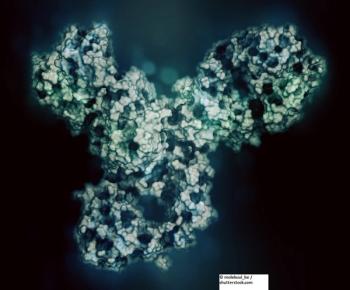
Pembrolizumab showed promise in the second-line setting for patients with metastatic esophageal cancer and high PD-L1 expression.
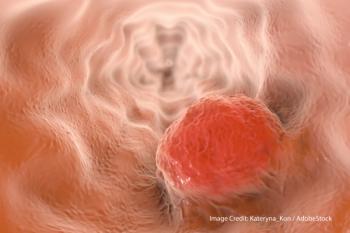
A large pooled analysis of individuals with advanced esophageal cancer showed men and women have different side effects to chemotherapy.
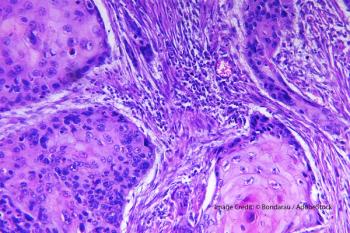
A new study adds to evidence examining whether neoadjuvant chemoradiotherapy plus surgery improves survival vs surgery alone in locally advanced ESCC.

As part of our coverage of the 2018 GI Cancers Symposium, we discussed the role of locoregional therapies for patients with metastatic esophageal and gastric cancers.

First-line ramucirumab in combination with chemotherapy significantly improved progression-free survival in patients with metastatic gastric or gastroesophageal junction adenocarcinoma, according to results of the RAINFALL trial.