





Lymphoma
Latest News
Advertisement
Latest Videos

CME Content































Advertisement
More News

Patients with relapsed/refractory follicular lymphoma can now receive zanubrutinib plus obinutuzumab based on the data from the phase 2 ROSEWOOD trial.
Data from the phase 1/2 EPCORE NHL-1 trial support the supplemental biologics license application for epcoritamab as a treatment for patients with relapsed/refractory follicular lymphoma.
More than half of the patients with relapsed/refractory B-cell lymphoma achieve a complete response with acalabrutinib plus axicabtagene ciloleucel in a phase 1/2 trial.

Data from the TRANSCEND NHL 001 trial suggest a favorable benefit/risk profile for lisocabtagene maraleucel in mantle cell lymphoma with high-risk disease features.

The FDA is expected to issue a Prescription Drug User Fee Act date for denileukin diftitox in cutaneous T-cell lymphoma within 30 days of accepting the biologics license application resubmission.
Martin Dreyling, MD, spoke about the potential use of CAR T-cell therapy in earlier treatment stages for certain patient groups with mantle cell lymphoma.
Elias Campo, MD, PhD, provides insight into biological subtyping and the tumor microenvironment relating to mantle cell lymphoma.
Michael Wang, MD, gives an overview of the progress that has been made in mantle cell lymphoma research and where research should be focused on new treatment strategies and improved understanding of the disease.
The phase 3 ALLELE trial found that using tabelecleucel for patients with relapsed/refractory Epstein-Barr Virus–positive post-transplant lymphoproliferative disease improved efficacy outcomes, specifically for those with hematopoietic stem-cell transplant.
In 2023, the Lymphoma Research Foundation hosted the Mantle Cell Lymphoma Scientific Consortium and Workshop to discuss treatment advancements in the field.

The Lymphoma Research Foundation MCL Scientific Consortium and Workshop focused on relevant topics that can help clinicians personalize treatment for patients.
Treatment with liso-cel appears to result in clinically meaningful activity across several subgroups of patients with mantle cell lymphoma, including those with high-risk features.
Considering tumor genomics, personalization of therapy, and the use of biomarkers, experts in the mantle cell lymphoma field discuss how to best utilize these strategies to improve treatment outcomes.
Japan’s Ministry of Health, Labour, and Welfare also accepted a supplemental new drug application for lisocabtagene maraleucel in relapsed/refractory follicular lymphoma.
Findings from the phase 2 JACKPOT8 study support golidocitinib as a potential treatment option for those with relapsed or refractory peripheral T-cell lymphoma.
Investigators report high response rates with pirtobrutinib in those with mantle cell lymphoma and high-risk disease features in the phase 1/2 BRUIN trial.
The FDA lifts its hold on a clinical program for lacutamab in lymphoma after a fatal adverse effect in the phase 2 TELLOMAK trial is determined to be related to aggressive disease progression.
An analysis based on the phase 3 TRANSFORM and TRANSCEND trials shows an increase in cost-effectiveness, life-years, and quality-adjusted life-years compared with standard of care in patients with relapsed/refractory diffuse large B-cell lymphoma.

Overall, the findings highlight the potential of bispecific antibodies as salvage therapy post anti-CD19 CAR T cell treatment and challenges associated with allogeneic hematopoietic cell transplantation consolidation after bispecific antibodies therapy in patients with relapsed/refractory B-cell lymphomas .
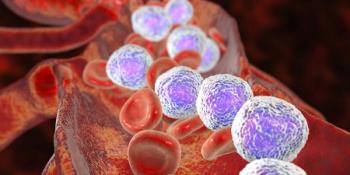
DZD8586 results in favorable safety with limited grade 3 or greater treatment-emergent adverse effects in those with B-cell non-Hodgkin lymphoma, according to data from 2 ongoing phase 1 trials.
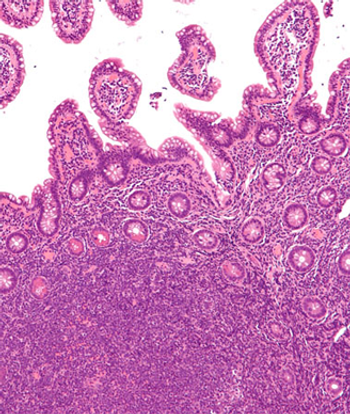
A regimen consisting of venetoclax, ibrutinib, prednisone, obinutuzumab, and lenalidomide appears safe for a population of patients diagnosed with mantle cell lymphoma, as investigators report no significant dose-limiting toxicities or tumor lysis syndrome.
The phase 2 LuminICE study shows potential for the AFM13/AB-101 combination in treating patients with relapsed or refractory CD30-positive lymphoma.
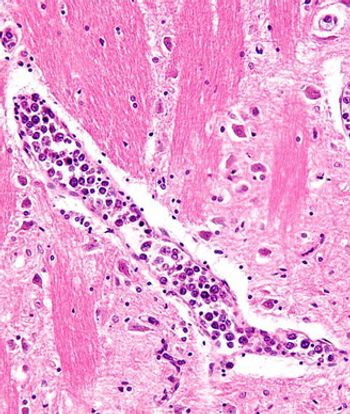
Treatment with pirtobrutinib may be a standard of care in patients with relapsed/refractory mantle cell lymphoma previously treated with a covalent BTK inhibitor, says Jonathon B. Cohen, MD, MS.
Updated safety and subgroup analyses appear consistent with previously reported results from the phase 2 ZUMA-12 study of axicabtagene ciloleucel for patients with high-risk large B-cell lymphoma.
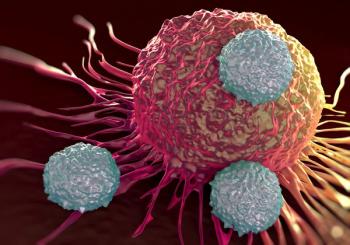
Investigators report that response-adapted trials utilizing novel combination regimens appear to be safe and feasible in a population of patients with newly diagnosed diffuse large B-cell lymphoma.
Advertisement
Advertisement
Trending on CancerNetwork
1
Modifiable Risk Factors Suggest Potential for Improving Cancer Prevention
2
Exploring The Impact of ADTs on Cardiac Risk in Prostate Cancer Treatment
3
Dato-DXd Receives Priority Review in Unresectable/Metastatic TNBC
4
Barriers to CAR T-Cell Referral and Center Access in Multiple Myeloma
5