




Pancreatic Cancer
Latest News
Advertisement
Latest Videos





Podcasts


CME Content































Advertisement
More News

The FDA decision follows phase 2 CANFOUR trial data showing a 2-year survival rate of 35% in IL1RAP-high metastatic pancreatic ductal adenocarcinoma.

EBC-129 was well tolerated, with a safety profile consistent with other MMAE-based ADCs in patients with PDAC and other solid tumors.
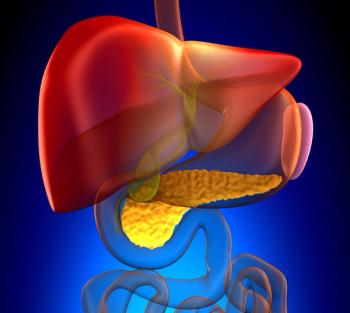
A survival benefit was noted when elraglusib was added to chemotherapy for patients with metastatic PDAC.
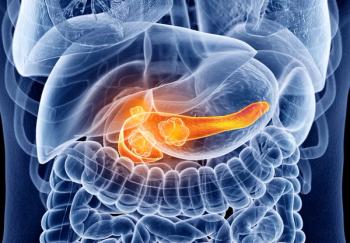
Cisplatin, nab-paclitaxel, gemcitabine, and capecitabine significantly improved EFS vs mFOLFIRINOX in resectable or borderline resectable pancreatic ductal adenocarcinoma.

A post hoc analysis of NAPOLI-3 reveals clinical characteristics and treatment strategies associated with long-term survival in patients with metastatic PDAC treated with NALIRIFOX.

Panelists discuss how dose reductions in the NAPOLI-3 trial paradoxically led to improved survival outcomes (12.6 months for nanoliposomal irinotecan reductions and 13.5 months for oxaliplatin reductions vs shorter survival with full doses), supporting their clinical approach of maintaining patients on tolerable doses for longer treatment duration rather than pursuing maximum dose intensity.
Panelists discuss how UGT1A1 mutations may predict increased diarrhea risk in patients receiving NALIRIFOX, with genetic testing potentially valuable for identifying patients who need more aggressive supportive care or dose modifications, particularly those with borderline performance status.
Panelists discuss how real-world retrospective data from the Flatiron Health Database showed median overall survival of approximately 9 months for FOLFIRINOX-treated patients, which appears numerically lower than NALIRIFOX results, though these findings require cautious interpretation due to the nonrandomized nature of the comparison.
Panelists discuss how adverse event profiles differ between regimens—with FOLFIRINOX causing high rates of neutropenia and neuropathy and NALIRIFOX showing lower neuropathy rates but higher grade 3 diarrhea—making patient-specific factors crucial for treatment selection and emphasizing the importance of dose adjustments and patient education.

Clinical data from a phase 1 trial evaluating EBC-129 in solid tumors will be presented at the 2025 American Society of Clinical Society Annual Meeting.
Panelists discuss how the NAPOLI-3 trial led to FDA approval of NALIRIFOX after demonstrating superior median overall survival (11.1 months) and progression-free survival (7.4 months) compared with gemcitabine/nab-paclitaxel, with key differences from the older PRODIGE 4 study including a lower oxaliplatin dose that may reduce adverse effects.
Panelists discuss how the current first-line treatment landscape for metastatic pancreatic adenocarcinoma includes NCCN-recommended regimens like FOLFIRINOX, gemcitabine plus nab-paclitaxel, and newest addition NALIRIFOX, with treatment selection guided by toxicity profiles, patient-specific factors, and the importance of germline testing.
Ten of 12 patients with metastatic pancreatic ductal adenocarcinoma given the recommended phase 2 dose of the combination regimen had a response.
The phase 2 Actuate 1801 part 3b trial results evaluating elraglusib with GnP in metastatic PDAC will be presented at the 2025 ASCO Annual Meeting.

Among 20 patients with advanced pancreatic cancer and available circulating tumor mutational burden data, 40% exhibited increased tumor mutational burden.
Higher social vulnerability index was independently associated with lower odds of meeting at least one quality criterion in treatment for PDAC.

Although the overall incidence of colorectal adenocarcinoma is decreasing, the reduction is primarily associated with patients 55 years or older.

Post hoc analysis of the NAPOLI 3 trial suggests that proactively managing NALIRIFOX-induced diarrhea could allow patients with PDAC to remain on treatment longer.

Treatment with KRAS inhibitors may help mitigate a common driver of genetic alteration across a majority of pancreatic cancers.

The blood test showed consistent, strong results in high-risk subgroups such as those with familial history, pancreatic cysts, or diabetes.

Data from the phase 3 CABINET study support the approval of cabozantinib in patients with pancreatic and extra-pancreatic neuroendocrine tumors.
The OSE2101 cancer vaccine plus FOLFIRI chemotherapy demonstrated positive survival data with minimal toxicities in the phase 2 TEDOPaM trial.
The CAN-2409 combination improved survival post-progression vs standard-of-care therapy alone in the phase 2 PaTK02 trial.

Post hoc analysis of the phase 3 NAPOLI 3 trial assessed how dose reductions in liposomal irinotecan/oxaliplatin affect OS in NALIRIFOX-treated PDAC.
Cohort 5 of the ongoing phase 1/2 GOBLET study evaluated the safety of pelareorep in combination with modified FOLFIRINOX with or without atezolizumab in patients with newly diagnosed metastatic pancreatic ductal adenocarcinoma.
Advertisement
Advertisement
Trending on CancerNetwork
1
Modifiable Risk Factors Suggest Potential for Improving Cancer Prevention
2
2026 Tandem Meetings: What’s the Latest Research in Multiple Myeloma?
3
Dato-DXd Receives Priority Review in Unresectable/Metastatic TNBC
4
Barriers to CAR T-Cell Referral and Center Access in Multiple Myeloma
5