





























Interim data from cohort B of KEYNOTE-555, a phase I trial evaluating a 400 mg every 6-week dosing regimen of pembrolizumab in patients with metastatic melanoma, demonstrated a consistent benefit-risk profile.

Your AI-Trained Oncology Knowledge Connection!
Interim data from cohort B of KEYNOTE-555, a phase I trial evaluating a 400 mg every 6-week dosing regimen of pembrolizumab in patients with metastatic melanoma, demonstrated a consistent benefit-risk profile.
Favorable toxicity profiles and antitumor activity seen in this phase II study of pembrolizumab supports further evaluation of the drug in this patient population.

A study showed that adolescents and young adults with certain types of cancers saw significant improvements in their 5-year mortality rates, while other cancer types saw little to no significant improvement among the same demographic group.
These findings highlight the need to raise public awareness of the importance of self-skin examination, and to encourage clinicians to have a lower threshold for undertaking skin examinations in bereaved individuals, according to the researchers.
In this study, the skin cancer rates were higher among gay and bisexual men, compared with heterosexual men, but lower among bisexual women than heterosexual women.
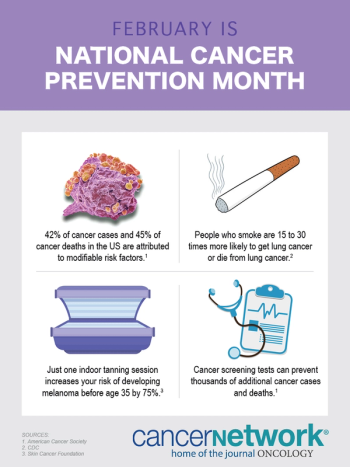
With February being National Cancer Prevention Month, here are the latest updates in cancer prevention.
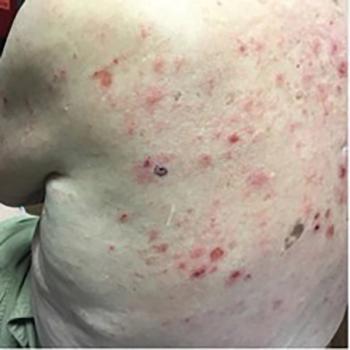
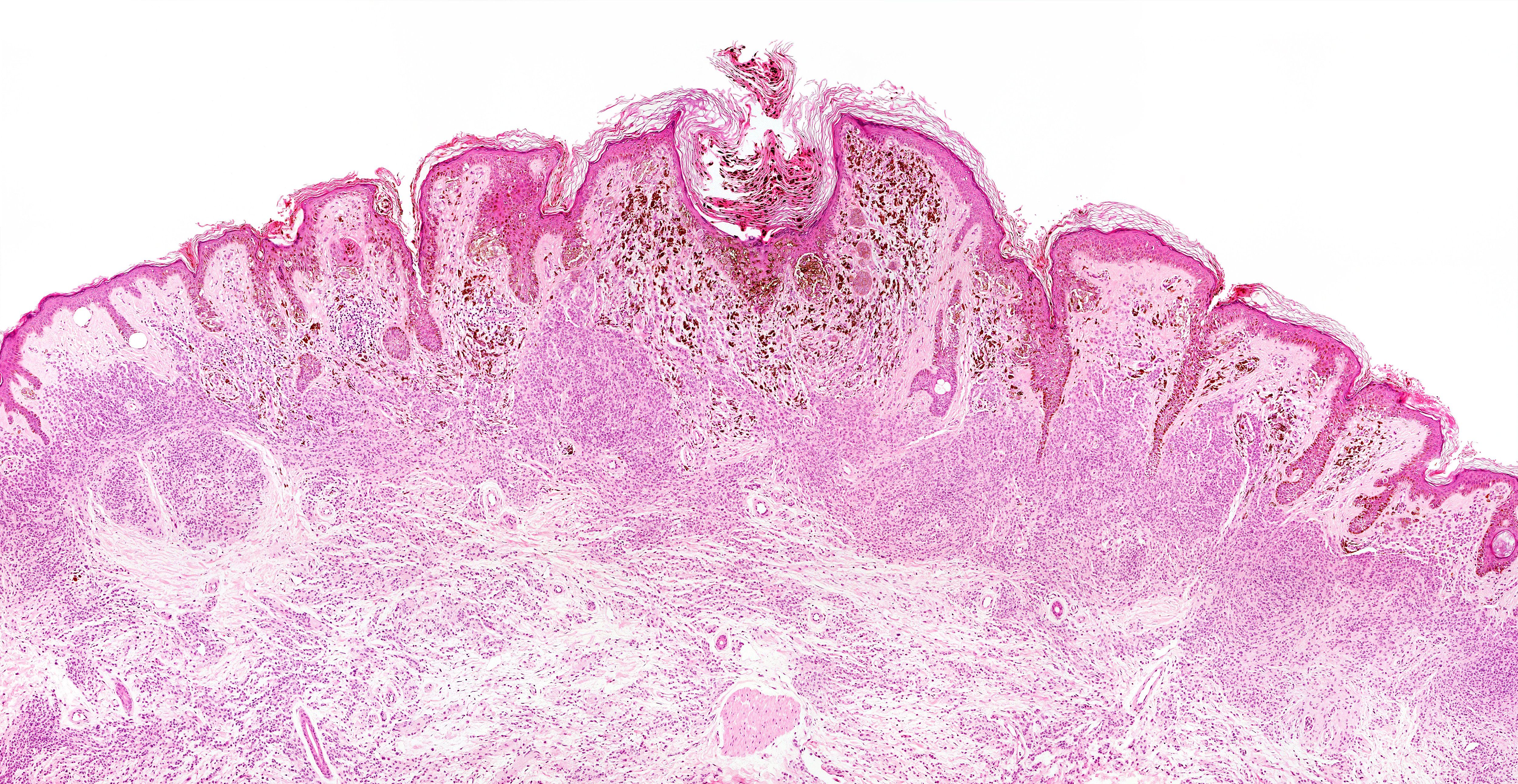
A 79-year-old white man presented with an ulcerated chest wall lesion developing from an existing mole.

A recent study determined circulating tumor cells were associated with melanoma relapse, suggesting that this form of liquid biopsy could help identify patients who would benefit from adjuvant therapy.
The authors indicated that prospective clinical trials investigating DTIC-based systemic chemotherapies and liver-directed treatments are necessary to validate their findings.
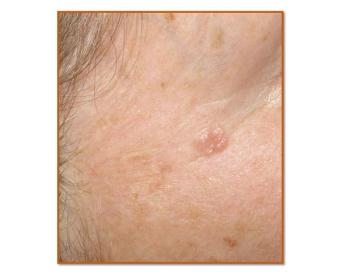
The recommendations defined when and how radiation therapy should be used to treat patients with basal cell carcinoma and cutaneous squamous cell carcinoma.

Recommendations defined when and how radiation therapy should be used to treat patients with basal cell carcinoma and cutaneous squamous cell carcinoma.
The combination of encorafenib and cetuximab has shown promise in clinical testing for the treatment of patients with unresectable or metastatic melanoma with a BRAFV600E or BRAFV600K mutation.
The MD Anderson Cancer Center expert discussed how researchers are using genetic alterations to drive specific therapies at the 16th International Congress of the Society for Melanoma Research.
The Memorial Sloan Kettering Cancer Center expert discussed a study he designed to discover why and how melanoma metastasizes, at the 16th International Congress of the Society for Melanoma Research.
Sancy Leachman, MD, PhD, discusses her outreach effort titled “War on Melanoma” at the 16th International Congress of the Society for Melanoma Research.
Poulikos Poulikakos, PhD, discussed combining targeted therapy and immunotherapy for the treatment of patients with melanoma at the 16th International Congress of the Society for Melanoma Research.
Domenico Mallardo, MD, Istituto Nazionale Tumori "Fondazione Pascale" in Naples, discusses results from his trial – designed to evaluate anti-CTLA4 agents in patients with melanoma who relapsed on treatment with ipilimumab (Yervoy), which was presented at the 34th Annual Meeting & Pre-Conference Programs of the Society for Immunotherapy of Cancer (SITC 2019).
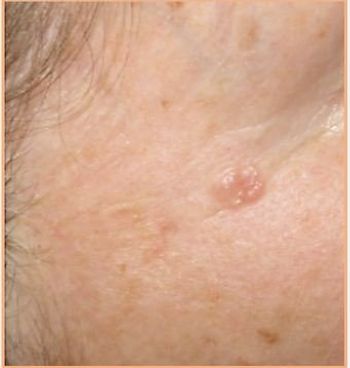
Why are geriatric patients less likely to get treated for their non-melanoma skin cancers? Researchers investigate and report.

BRAF and MEK inhibitors appear to have clinical activity in patients with metastatic melanoma with rare BRAF mutations.
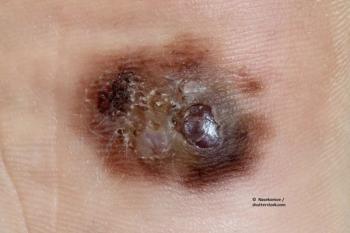
Researchers report on the best pembrolizumab protocol for advanced melanoma.

The Global Burden of Disease 2017 study found non-melanoma skin cancer to be the biggest increase in incidence worldwide.
A pooled analysis included extended-survival data from COMBI-d and COMBI-v trials, both of which included treatment-naïve patients with unresectable or metastatic melanoma who were randomized to receive either dabrafenib plus trametinib or BRAF inhibitor monotherapy.

The new recommendations will help standardize neoadjuvant clinical trial methodology and develop a path for regulatory review and approval of neoadjuvant therapies in melanoma.
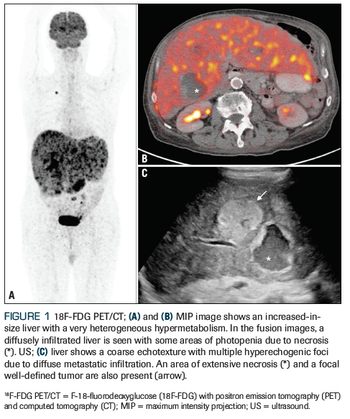
Melanoma of the skin is the 19th most common malignant neoplasm worldwide, with 287,723 new cases estimated for 2018 and metastatic melanoma accounting for 4% of all new cases. In recent years, the prognosis of this stage has undergone a dramatic transformation with the advent of immunotherapy and BRAF/MEK targeted therapy.
Cancer Network spoke with Anna Pavlick, MD, of NYU Langone Health, on the results of a phase II study of poly-ICLC matured dendritic cells for NY-ESO-1 and Mean-A peptide vaccination compared with Montanide.