



Gastrointestinal Cancer
Latest News
Advertisement
Latest Videos





CME Content





























Advertisement
More News
Results from the phase 2 FDZL-001 trial showed high OS and PFS rates when camrelizumab plus Nab-POF was used to treat patients with gastric/GEJ cancer.
Trastuzumab/pertuzumab elicited similar efficacy and fewer high-grade AEs vs cetuximab/irinotecan in RAS/BRAF wild-type, HER2–positive metastatic CRC.

Additionally, adding nab-paclitaxel to gemcitabine/cisplatin confers more toxicity than gemcitabine/cisplatin alone in the phase 3 SWOG S1815 trial.
Everolimus plus lanreotide elicited a PFS of 29.7 months compared with 11.5 months from everolimus monotherapy in patients with gastroenteropancreatic neuroendocrine tumors.
Sessions of interest at the 2025 Gastrointestinal Cancers Symposium will include data on colorectal cancer, pancreatic ductal adenocarcinoma, and more.
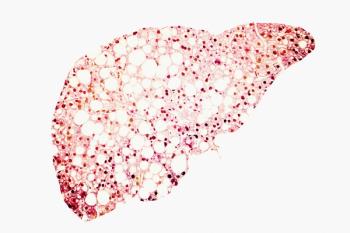
Phase 3 EMERALD-1 trial results reveal that no new adverse events were identified with durvalumab plus bevacizumab in patients with unresectable HCC.

Results from the CodeBreaK 300 trial helped lead to the approval of sotorasib/panitumumab in KRAS G12C-mutated CRC.
Adding lenvatinib/pembrolizumab to TACE elicits a numerical overall survival improvement in the LEAP-012 trial, although additional follow-up is necessary.
Phase 1 data support the fast track designation for invikafusp alfa in advanced colorectal cancer with high tumor mutational burden.
Data suggest a need for international preventive strategies and educational efforts regarding the increasing incidence of early-onset colorectal cancer.
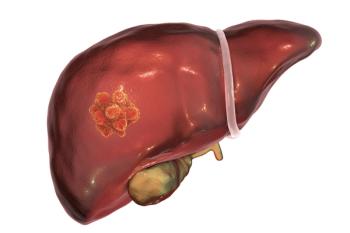
Data from a phase 1b/2 trial show improvements in overall survival with amezalpat plus atezolizumab/bevacizumab among patients with metastatic HCC.
Treatment with satricabtagene autoleucel met the primary end point of progression-free survival in the phase 2 CT041-ST-01 trial.
Data from the RATIONALE 305 trial support the approval of tislelizumab/chemotherapy in unresectable or metastatic HER2-negative gastric or GEJ adenocarcinoma.
Data from the phase 3 OPERA trial support contact X-ray brachytherapy boost as a treatment option for preserving organs in smaller rectal adenocarcinoma tumors.
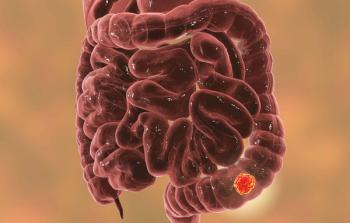
Dostarlimab achieved a 100% clinical complete response rate in patients with dMMR/MSI-H advanced rectal cancer, a phase 2 study found.
The European Commission has approved tislelizumab plus chemotherapy as treatment for patients with esophageal and gastric or GEJ cancer.
Results from the HERIZON-BTC-01 trial led to the approval of zanidatamab for patients with metastatic HER2-positive biliary tract cancer.
Given that well-differentiated grade 3 NETs are relatively new, standard-of-care treatment options are undefined.

Kelley A. Rone, DNP, RN, AGNP-c, provides perspective on approaching end-of-life conversations with patients with GI cancers.

As patients are nearing the end of life, different management strategies, such as opioids, may be needed to help mitigate pain or fatigue.
Kelley A. Rone, DNP, RN, AGNP-c, highlights the importance of having end-of-life discussions early in a patient’s cancer treatment course.
Kelley A. Rone, DNP, RN, AGNP-c, highlights how to best approach end-of-life discussions with patients receiving treatment for cancer.
The FDA has pushed back PDUFA dates for sotorasib and obeticholic acid for metastatic CRC and primary biliary cholangitis indications.
Omitting bolus 5-fluouracil in chemotherapy-based treatment for patients with gastrointestinal cancers may reduce adverse effects and healthcare costs.

Ten votes were cast against PD-L1 as an efficacy biomarker for therapies intended to treat patients with gastric or GEJ adenocarcinoma.
Advertisement
Advertisement
Trending on CancerNetwork
1
Modifiable Risk Factors Suggest Potential for Improving Cancer Prevention
2
Dato-DXd Receives Priority Review in Unresectable/Metastatic TNBC
3
2026 Tandem Meetings: What’s the Latest Research in Multiple Myeloma?
4
Outlining Advances in AI For Breast Cancer Screening/Radiomics
5