




Gastrointestinal Cancer
Latest News
Advertisement
Latest Videos

CME Content































Advertisement
More News

A 6-year analysis of the phase 3 STELLAR trial did not find any significant differences between total neoadjuvant treatment and concurrent chemoradiation in rectal cancer.
Clinical data from a phase 1 trial evaluating EBC-129 in solid tumors will be presented at the 2025 American Society of Clinical Society Annual Meeting.
Ten of 12 patients with metastatic pancreatic ductal adenocarcinoma given the recommended phase 2 dose of the combination regimen had a response.

Intensity-modulated radiotherapy increased some lower-grade toxicities vs 3D conformal radiotherapy in patients with locally advanced rectal cancer.
From breast cancer to head and neck tumors, the 2025 ASCO Annual Meeting may feature a wide range of practice-changing data across cancer care.
Survival and safety data from the phase 3 CheckMate 9DW trial showed that nivolumab plus ipilimumab was superior to lenvatinib or sorafenib in advanced HCC.
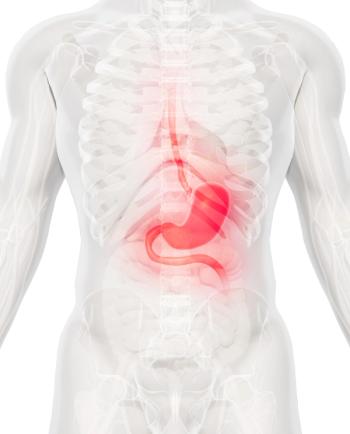
Antitumor activity was observed in patients with gastroesophageal adenocarcinoma treated with the combination regardless of chemotherapy type.
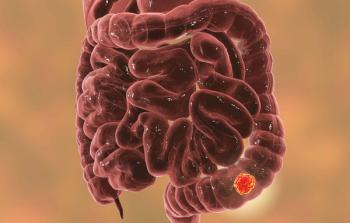
For patients with right-sided CRC tumors, no significant progression-free survival difference was observed between the cetuximab and FOLFIRI-only groups.
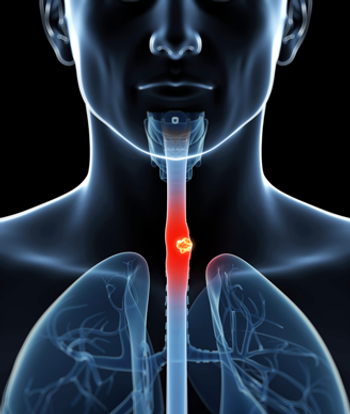
The trial initiation is based on phase 1/2 IDeate-PanTumor01 trial results presented at the 2022 and 2023 European Society for Medical Oncology Congress.

Data from the POD1UM-303/InterAACT2 trial support the approval of retifanlimab/chemotherapy for patients with squamous cell carcinoma of the anal canal.
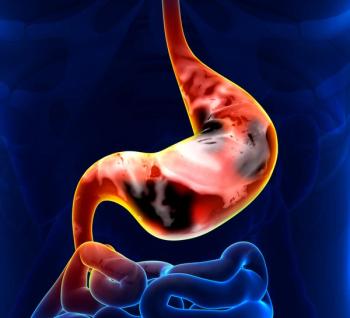
The safety profile of TFOX was consistent with data reported in previous studies, and no new safety signals were identified.
At the time of analysis, the median progression-free survival was not reached with fruquintinib plus capecitabine in a phase 1/2 trial.
!["[G]iven the improvements in compliance and tolerability of the de-escalated regimen in older patients, with preserved early cancer outcomes, this reduced-dose regimen could be considered a new treatment option for [patients who are] frailer [and] not fit for standard-dose chemoradiotherapy," according to the study authors.](https://cdn.sanity.io/images/0vv8moc6/cancernetwork/8987adec8367653dbaf8fc0f82c7dbfcb914281e-500x404.jpg?w=350&fit=crop&auto=format)
Phase 2 data indicate that reduced-dose chemoradiotherapy may be tolerable among patients with early-stage anal cancer.
Patients with MSS tumors diagnosed with metastatic CRC did not experience enhanced OS outcomes with frontline ICI therapy compared with chemotherapy.
The phase 2 Actuate 1801 part 3b trial results evaluating elraglusib with GnP in metastatic PDAC will be presented at the 2025 ASCO Annual Meeting.
Pathological complete response was higher among patients with ERBB2–positive gastric cancer or GEJ adenocarcinoma treated with atezolizumab vs without.

Among 20 patients with advanced pancreatic cancer and available circulating tumor mutational burden data, 40% exhibited increased tumor mutational burden.
Results from the phase 2/3 trial also show a favorable OS trend for KN026 with chemotherapy vs placebo with chemotherapy in HER2-positive gastric cancer.
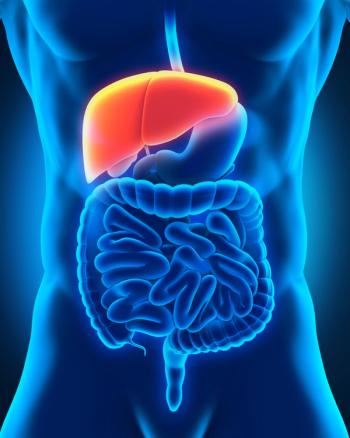
Ten-fraction image-guided hypofractionated radiation therapy could be a feasible treatment option for portal vein tumor thrombosis in patients with HCC.
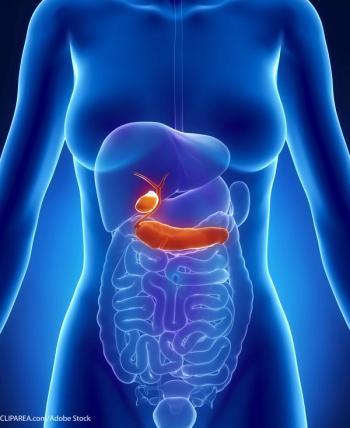
The recommendation from the CHMP is based on results from the phase 2b HERIZON-BTC-01 trial of zanidatamab in advanced HER2+ biliary tract cancer.

According to comparative single-cell transcriptome analyses, NOTCH1 deficiency facilitated a more immunologically active microenvironment in ESCC tumors.
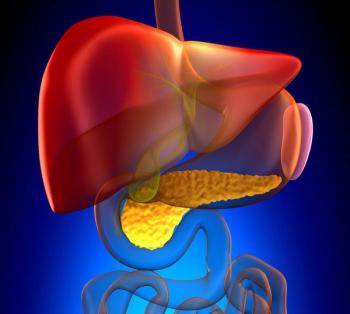
SBRT demonstrated positive 3-year outcomes as a treatment in patients with early-stage HCC based on results from the phase 2 STRSPH trial.
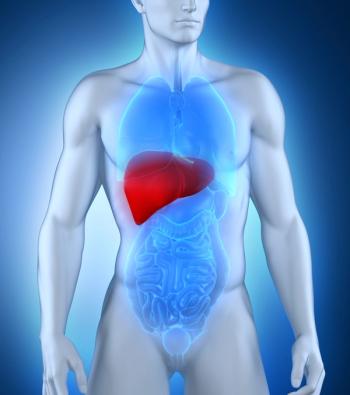
MEV01 trial results show that the test achieved an 86% early-stage sensitivity and 88% specificity in surveillance of HCC among patients with cirrhosis.
Treatment-related adverse events of special interest occurred in 64.9% of patients who received fruquintinib and 23.0% of those who received placebo.
Immunotherapy combinations and targeted therapy options may help bridge clinical gaps in early-stage, locally advanced, and metastatic gastroesophageal adenocarcinomas.
Advertisement
Advertisement
Trending on CancerNetwork
1
Modifiable Risk Factors Suggest Potential for Improving Cancer Prevention
2
Barriers to CAR T-Cell Referral and Center Access in Multiple Myeloma
3
Exploring The Impact of ADTs on Cardiac Risk in Prostate Cancer Treatment
4
2026 Tandem Meetings: What’s the Latest Research in Multiple Myeloma?
5