



Genitourinary Cancers
Latest News
Advertisement
Latest Videos







CME Content

































Advertisement
More News

Measures of frailty and comorbidity failed to offer predictive information regarding complications in patients with bladder cancer undergoing radical cystectomy.
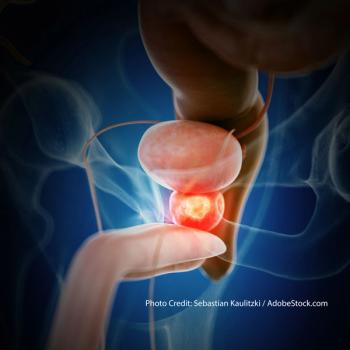
New research in Lancet Oncology confirms previous studies in this population on the addition of apalutamide to androgen deprivation therapy.
A study in Cancer found a lower risk of prostate cancer–specific death and improved overall survival when patients were treated with this combination.
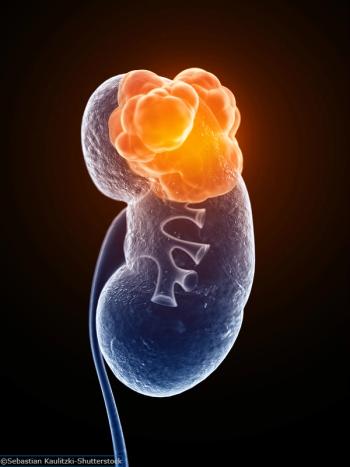
A radiographic measure may help clinicians distinguish between benign renal oncocytoma and chromophobe renal cell carcinoma.
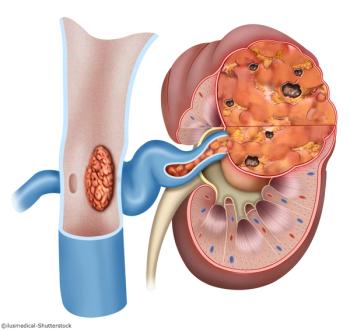
A study shows T1a RCC patients have improved overall survival when receiving partial nephrectomy compared with radical nephrectomy.
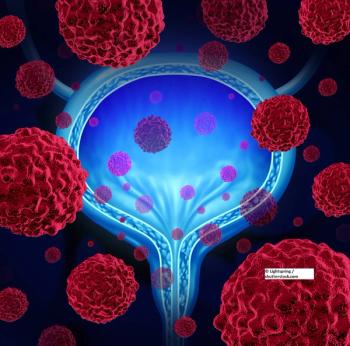
New research suggests that immune resistance in urothelial cancer may be mediated by stromal cells, which act as a source of EMT-related gene expression.

By elevating the expression of ANO7, a potential prostate cancer susceptibility gene, it may be possible to predict disease severity and outcome.
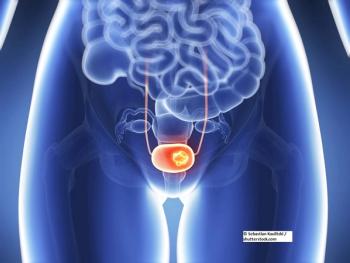
A dose-dense neoadjuvant chemotherapy regimen yielded higher response rates compared with a standard regimen in a cohort of bladder cancer patients.

This article summarizes the key side effects associated with ADT for the treatment of prostate cancer and discusses strategies to optimize management.
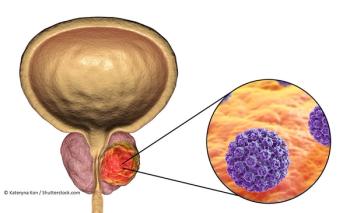
A particular gatekeeper-the nuclear pore protein called POM121-traffics molecules that increase tumor aggressiveness in prostate cancer.
ZHX2 has been identified as a possible new therapeutic target for clear cell RCC patients.
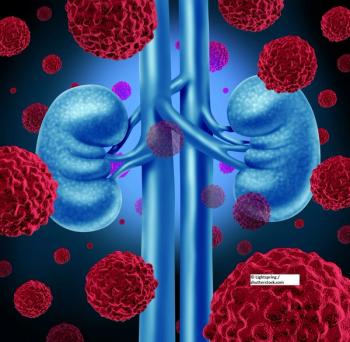
Concentrations of KIM-1 in the blood may predict for renal cell carcinoma up to 5 years prior to diagnosis.
Cross-sectional, long-term imaging is shown to be important for patients with high-risk resected non–clear cell RCC.
A meta-analysis identified several factors that are correlated with locoregional recurrence in patients with nonmetastatic muscle-invasive bladder cancer.

An existing body of literature shows that marital status and related social support are connected with disease outcomes.
Intravenous Iobenguane I 131 has been approved to treat unresectable, locally advanced, or metastatic pheochromocytoma.
A nested case-control study found that the association between obesity and RCC varies depending on subtype.

TURBT with fluorescent light source using oral 5-ALA is well tolerated in non–muscle-invasive bladder cancer.

Patients with muscle-invasive bladder cancer who underwent trimodal therapy had significantly poorer survival than those who underwent radical cystectomy alone.
PFS, tumor response, and safety outcomes were similar in patient cohorts under age 75 vs those 75 years of age and older.
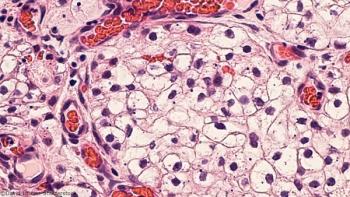
The statement emphasizes strategies for multidisciplinary care, and proposes an algorithm for clinical management of bone metastasis in RCC.
More than 20% of patients with non–clear cell RCC had a germline mutation, and half of this group could benefit from direct systemic therapy.
A large genomic analysis identified more than 60 new prostate cancer susceptibility loci, including one locus significantly associated with early onset.
A new study identified several metabolites and metabolic indicators as potential biomarkers for recurrence risk in non–muscle-invasive bladder cancer.
A phase II study found that the FGFR inhibitor erdafitinib yields a good response rate and was well tolerated in patients with urothelial carcinoma and FGFR alterations.
Advertisement
Advertisement
Trending on CancerNetwork
1
Modifiable Risk Factors Suggest Potential for Improving Cancer Prevention
2
2026 Tandem Meetings: What’s the Latest Research in Multiple Myeloma?
3
Dato-DXd Receives Priority Review in Unresectable/Metastatic TNBC
4
Barriers to CAR T-Cell Referral and Center Access in Multiple Myeloma
5