





Genitourinary Cancers
Latest News
Advertisement
Latest Videos





Podcasts








CME Content
































Advertisement
More News

Experts highlight anticipated sessions at the 2025 ESMO Congress, including those on the PSMAddition and EV-303 trials.
Anticipated data from the ESMO Congress 2025 may have implications for standards of care across prostate and bladder cancer groups.

Data from the FRUSICA-2 trial may support fruquintinib/sintilimab as a “valuable” option for patients with advanced renal cell carcinoma.
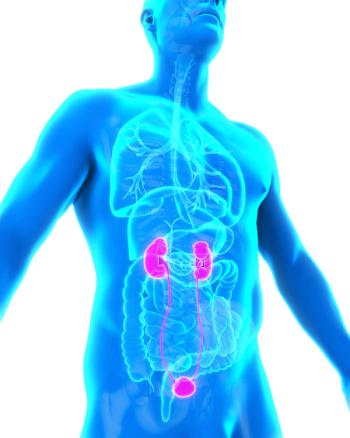
Data support the intravesical mitomycin solution’s role as an innovative option for those with recurrent, low-grade, intermediate-risk NMIBC.
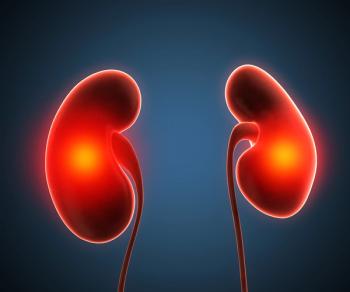
Casdatifan, administered at 100 mg once daily, achieved a confirmed ORR of 35% in patients with pretreated metastatic kidney cancer.
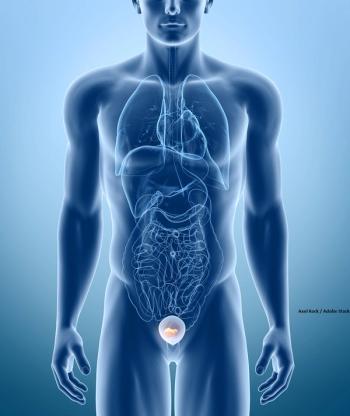
No toxicity-related discontinuations were seen with adjuvant radiotherapy among patients with muscle-invasive bladder cancer.

Prospective data observed with the gemcitabine intravesical system may be superior to prior reports of other therapies in BCG-unresponsive NMIBC.

Gary Steinberg, MD, discusses the role of patient counseling and surveillance when using the gemcitabine intravesical system for BCG-unresponsive NMIBC.

Experts weigh in on tumor-informed testing, false positives, relevant trial data, and other key concepts related to circulating tumor DNA.
Experts discuss key considerations for applying ctDNA to clinical practice, such as distinguishing between tumor-informed and tumor-uninformed testing.
Gary Steinberg, MD, compared the AE profile of the gemcitabine intravesical system for BCG-unresponsive NMIBC with other intravesical therapies.
Gary Steinberg, MD, discusses the clinical significance of the new FDA-approved gemcitabine intravesical system for BCG-unresponsive NMIBC.
Panelists and presenters attending World GU 2025 shared their perspectives on optimizing the management of prostate, kidney, and bladder cancers.

Gary Steinberg, MD, highlights the FDA approval of the gemcitabine intravesical system and what this means for patients with BCG-unresponsive NMIBC.

Ongoing studies in kidney cancer aim to explore determinants of immune-related adverse effects and strategies for mitigating them.
Machine learning–based approaches may play a role in further understanding of how somatic alterations influence responses or resistance to therapy.
Data from a first-in-disease trial assessing a personalized cancer vaccine in RCC require validation at a larger level, according to David Braun, MD, PhD.
A group of community and academic oncologists exchanged ideas on optimizing therapy across different prostate, kidney, and bladder cancer populations.
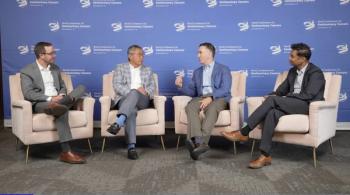
Experts discuss considerations for improving the care of patients with prostate, kidney, and bladder cancer in community-based practices at World GU 2025.
At World GU 2025, experts discussed forming treatment strategies for patients with variant histologies across prostate, bladder, and kidney cancer.

A manageable safety profile was observed across 2 expansion doses of the combination in urothelial cancer, consistent with known adverse effects of both drugs.
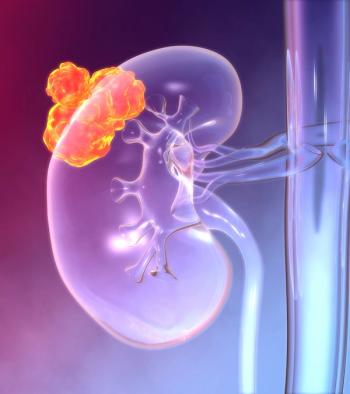
Changes in FKSI-15 scores from baseline indicated more favorable HRQOL outcomes with the benmelstobart combo vs sunitinib in advanced ccRCC.
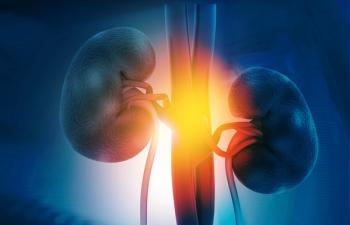
External validation will be assessed in cohort 2 of the AURORAX-0087A trial to improve recurrence detection for clear cell renal cell carcinoma.
Discover key takeaways on tumor markers, the BEP vs. EP debate, and the role of surgery in stage II testicular cancer.
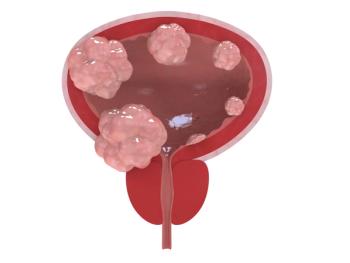
Patients with muscle-invasive bladder cancer with a positive Signatera test displayed a significant improvement in disease-free and overall survival.
Advertisement
Advertisement
Trending on CancerNetwork
1
Modifiable Risk Factors Suggest Potential for Improving Cancer Prevention
2
2026 Tandem Meetings: What’s the Latest Research in Multiple Myeloma?
3
Dato-DXd Receives Priority Review in Unresectable/Metastatic TNBC
4
Barriers to CAR T-Cell Referral and Center Access in Multiple Myeloma
5