



Multiple Myeloma
Latest News
Advertisement
Latest Videos

CME Content
































Advertisement
More News
The panel closes by sharing final thoughts in the management of relapsed/refractory multiple myeloma, with a shared sense of optimism for advancements in treatment.
Key opinion leaders review the management of CAR-T therapy side effects in patients with relapsed/refractory multiple myeloma, including cytokine release syndrome and neurotoxicity, and emphasize the importance of early supervision and known toxicity timing.
Data from the phase 1/2 MonumenTAL-1 studies support flexibility to adjusting the dose of talquetamab in patients with relapsed/refractory multiple myeloma who already have a response.
Because patients with myeloma are at a high risk for financial hardship, study findings support the use of a financial navigation program to reduce financial toxicities of patients.

The expert panel provides clinical insights on the role of CAR T-cell therapy and factors that influence treatment selection in the second line and beyond.
Multiple myeloma specialists outline frailty assessment practices and discuss how frailty informs treatment decisions.

Treatment with anito-cel produces deep, enduring responses in high-risk relapsed/refractory multiple myeloma, says Matthew Frigault, MD.
The safety profile of idecabtagene vicleucel in relapsed/refractory multiple myeloma following the first 3 months of treatment appears to be comparable with standard therapies, says Rachid Baz, MD.
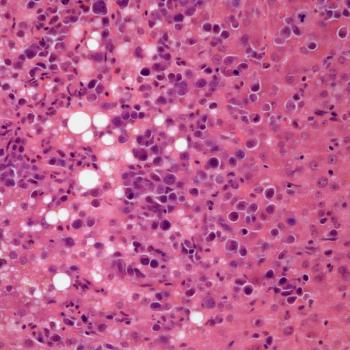
Data from the phase 3 PERSEUS trial supports D-VRd followed by DR maintenance as a new standard of care in patients with newly diagnosed, transplant-eligible multiple myeloma.
The panel discusses the safety profile of talquetamab for patients with relapsed/refractory multiple myeloma.
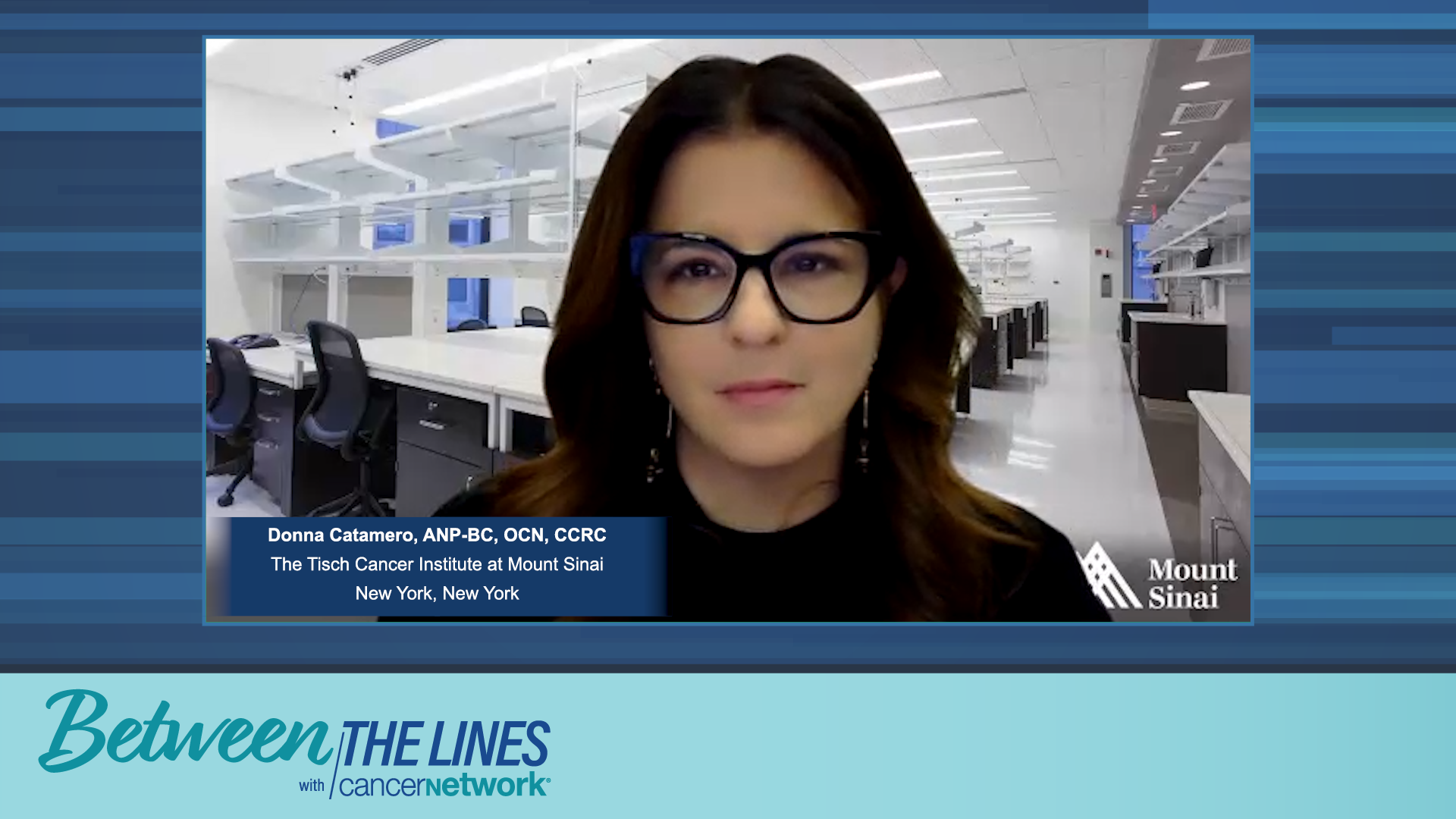
Donna Catamero, ANP-BC, OCN, CCRC, reviews findings from the MonumenTAL-1 study and the panel provides its impressions of the results.

The addition of isatuximab to carfilzomib/lenalidomide/dexamethasone appears to be manageable with respect to safety and tolerability in treating patients with newly diagnosed multiple myeloma, according to data from the phase 3 IsKia trial.
Early phase data found that use of D8 Fab CAR results in increased responses and activity for patients with relapsed/refractory multiple myeloma.

The assessment of health-related quality of life for patients with previously treated multiple myeloma was found to be enhanced in the phase 3 KarMMa-3 trial when patients were treated with idecabtagene vicleucel.

The use of teclistamab in the real-world phase 2 MajesTEC-1 analysis showed similar safety and efficacy for patients with relapsed/refractory multiple myeloma.
Experts discuss the strategies and considerations for bridging therapy and the management of patients with relapsed/refractory multiple myeloma receiving CAR T-cell therapy.
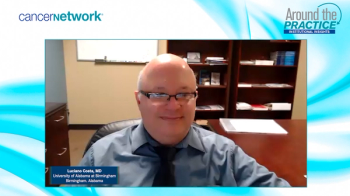
Luciano Costa, MD, discusses the effectiveness and challenges of CAR-T therapy ciltacabtagene autoleucel for patients with multiple myeloma, emphasizing the response rates and duration and the advantages in early lines of treatment.
The panel discusses the effect minimal residual disease (MRD) has on treatment selection and provides insights on the treatment of younger patients with standard risk.
Expert perspectives on the practical applications of consolidation and maintenance therapies for patients with multiple myeloma.
The expert panel provides an overview of relapsed/refractory multiple myeloma, with a focus on current therapeutic options and unmet needs in the treatment space.
A nurse practitioner and two hematologic oncologists outline diagnosis and staging practices for patients with multiple myeloma.
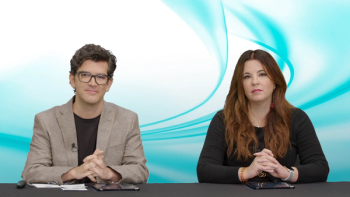
Explore the critical aspects of counseling patients on the expectations and management of cytokine release syndrome (CRS) and immune effector cell-associated neurotoxicity syndrome (ICANS) associated with CAR-T therapy.

Experts in the field of multiple myeloma gathered to discuss considerations prior to treatment including frailty and the number of lines of previous therapy a patient has received.

Dr Dhakal outlines the FDA-approved CAR T-cell therapy products for patients with multiple myeloma who have undergone at least four prior lines of treatment, emphasizing a focus on individualized decision-making when selecting patients for CAR-T.

Joselle Cook, M.B.B.S., presents the case of a 62-year-old woman with high-risk multiple myeloma to the panel for discussion.
Advertisement
Advertisement
Trending on CancerNetwork
1
Modifiable Risk Factors Suggest Potential for Improving Cancer Prevention
2
2026 Tandem Meetings: What’s the Latest Research in Multiple Myeloma?
3
Dato-DXd Receives Priority Review in Unresectable/Metastatic TNBC
4
Barriers to CAR T-Cell Referral and Center Access in Multiple Myeloma
5