





































Researchers tested the addition of adjuvant chemotherapy to androgen suppression and radiotherapy in patients with localized high-risk prostate cancer.

Your AI-Trained Oncology Knowledge Connection!
Researchers tested the addition of adjuvant chemotherapy to androgen suppression and radiotherapy in patients with localized high-risk prostate cancer.

Updated prostate cancer guidelines reflect the importance of tumor genetic testing and genomically-informed disease management.
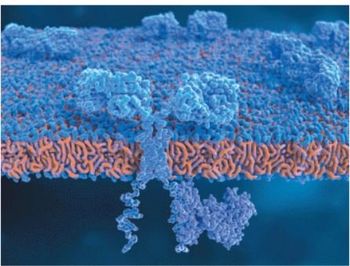
Here, we review the current use and future direction of novel therapeutic targets in the treatment of castration-resistant prostate cancer.

A large Danish registry study looked at the effects of post-diagnosis use of low-dose aspirin on prostate cancer mortality.

Researchers tested the combination of docetaxel and ADT in a phase III randomized trial of patients with high-risk nonmetastatic prostate cancer.

Researchers found that the HSD3B1 genotype may be a predictive biomarker for the use of certain prostate cancer therapies.

The latest trial results are based on a larger patient population and were reported at the 2019 ASCO Genitourinary Cancers Symposium.
The results of the double-blind, phase III trial were presented at the 2019 ASCO Genitourinary Cancers Symposium.

Do race, income level, geographic location, and type of specialist influence treatment of metastatic castration-resistant prostate cancer?

A new study published in the Journal of Clinical Oncology reported on the clinical implications of gDDR genes.

African-American men with mCRPC may derive greater overall survival benefit from treatment with newer chemotherapies than Caucasian men.

An analysis of a large, phase III trial investigated a potential surrogate endpoint for survival outcomes in prostate cancer patients receiving ADT.
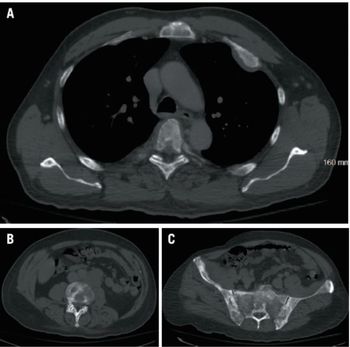
In this case, we examine a 49-year-old man with widespread metastatic sclerotic bone lesions. What is your diagnosis?
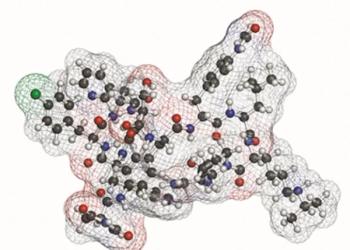
This article reviews the mechanism of action between GnRH agonists and antagonists and the studies that led to the approval of degarelix, as well as its potential risks and benefits, particularly when it comes to cardiovascular health.

In this side of the Point/Counterpoint, Drs. Bernard and Flaig state that genomic testing should be routine in the management of prostate cancer patients.

In this side of the Point/Counterpoint, Drs. Kelly and Knudsen state that limitations exist for guiding therapeutic treatment with genomic testing in prostate cancer patients.

A recent study in JAMA Oncology compared survival for various multi-modality approaches for treating aggressive prostate cancer.

Researchers examined whether a higher Gleason score impacts the efficacy of androgen deprivation therapy.

In this article, we discuss the importance of assessing frail and elderly prostate cancer patients before starting treatment and making adjustments to the choice of therapy, or supportive services, in order to maximize benefit and minimize potential harms.

The findings of this study, recently published in JAMA Oncology, directly contradict previously conducted research on the same topic.

Oncologists now have some clarification on the use of moderate hypofractionation and ultrahypofractionation from ASTRO, ASCO, and the AUA.

Treatment for prostate cancer with external beam radiotherapy was found to be associated with an increased risk for development of bladder cancer when compared with radical prostatectomy.
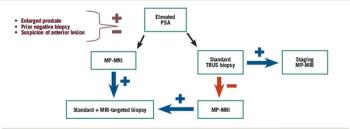
This article summarizes the current role of multiparametric MRI in the diagnosis, risk assessment, and treatment of prostate cancer.
New research in Lancet Oncology confirms previous studies in this population on the addition of apalutamide to androgen deprivation therapy.
A study in Cancer found a lower risk of prostate cancer–specific death and improved overall survival when patients were treated with this combination.