




Breast Cancer
Latest News
Advertisement
Latest Videos








CME Content































Advertisement
More News

When compared with endocrine therapy, radiation therapy improved quality of life and adverse effects data, the phase 3 EUROPA study showed.
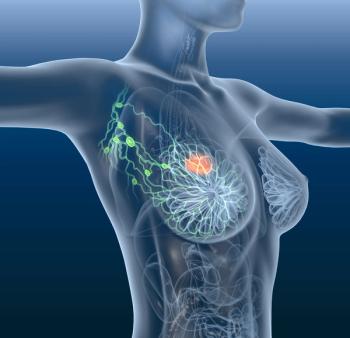
Analysis of NRG/RTOG 9804 and E5194 trials found tamoxifen significantly reduced invasive ipsilateral breast recurrence in patients with “good risk” DCIS treated without RT.
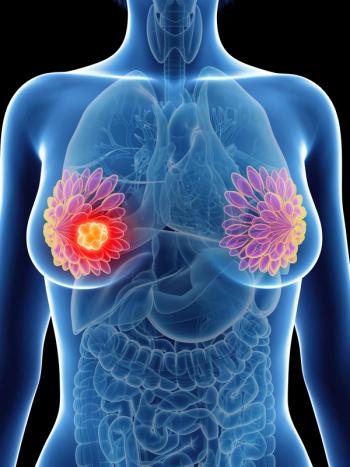
Active monitoring had similar rates of invasive cancer in the ipsilateral breast as guideline concordant care for the low-risk DCIS population.
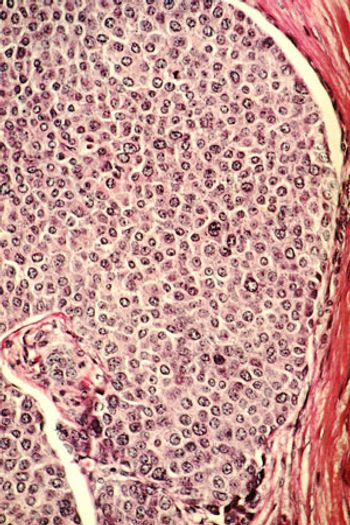
Real-world data from the P-VERIFY study didn’t find any notable OS improvements between multiple CDK4/6 inhibitor combos in metastatic breast cancer.
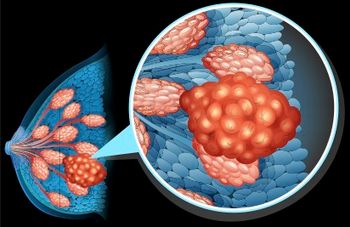
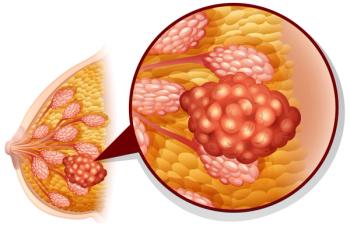
During an FDA Special Session, field experts talked about the NATALEE trial and further information gathering on adjuvant ribociclib in breast cancer.
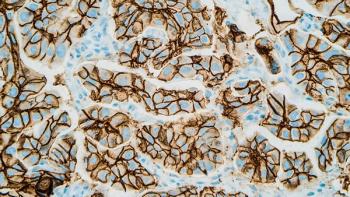
For patients with HR–positive/HER2-negative breast cancer, neoadjuvant patritumab deruxtecan with or without letrozole showed antitumor activity.

Data show no significant differences in pCR rates across treatment arms in the phase 2 FASCINATE-N trial.
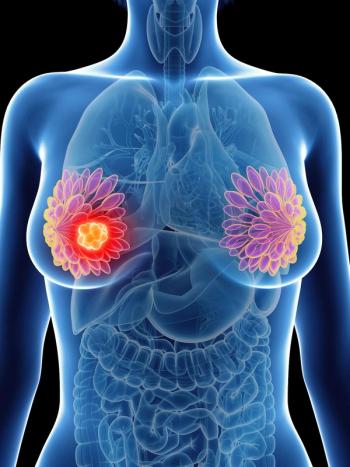
Six-year data from the OlympiA trial support olaparib as a standard of care in BRCA-mutated, high-risk, HER2-negative primary breast cancer.

Time to next treatment was slightly higher with elacestrant for patients with HR+/HER2–, ESR1-mutant breast cancer vs PFS in a phase 3 trial.
For patients with hormone receptor-positive and HER2-low breast cancer, T-DXd elicited higher levels of PFS despite time to progression and disease burden.
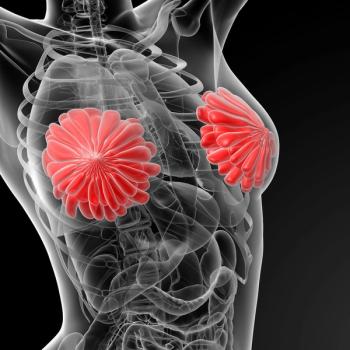
Findings from a multi-institutional study show an increased risk of developing high-grade immune-related AEs among select older patients with early-stage breast cancer.
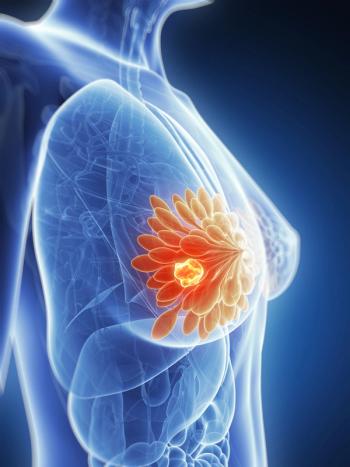
According to a retrospective study, patients with the BRCA gene who underwent risk-reducing mastectomy/salpingo-oophorectomy had improved survival outcomes.
Data from KEYNOTE-522 show improved efficacy with pembrolizumab/chemotherapy across subgroups of patients with TNBC.

Meta-analysis data show moderate decreases in distant recurrence and breast cancer mortality with immediate surgery after longer follow-up.
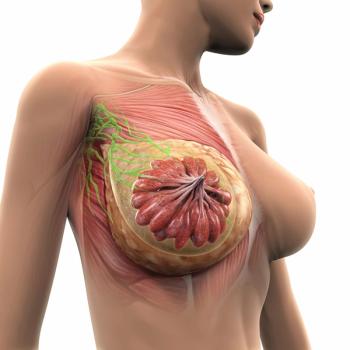
The European Commission has approved ribociclib plus an aromatase inhibitor for patients with early breast cancer.
Camizestrant showed better progression-free survival than fulvestrant across various subgroups of patients with advanced breast cancer.
Treatment with (Z)-endoxifen yielded no changes in hematological safety tests among patients enrolled on the phase 2 KARISMA-Endoxifen study.

Inavolisib-based therapy reaches the primary end point of the phase 3 INAVO120 study among patients with PIK3CA-mutated breast cancer.
Findings speak to the need of cultural, racial, and ethnic inclusion when designing breast cancer trials and developing patient-reported outcome measures.

Four of 13 patients with metastatic breast cancer recruited in 2022 for the phase 2 clinical study evaluating Bria-IMT remain in survival follow-up.

Heather Zinkin, MD, states that reflexology improved pain from chemotherapy-induced neuropathy in patients undergoing radiotherapy for breast cancer.

Neil M. Iyengar, MD, highlighted the most important data in breast cancer to come from 2024 ESMO.
Study findings reveal that patients with breast cancer reported overall improvement in their experience when receiving reflexology plus radiotherapy.
Patients undergoing radiotherapy for breast cancer were offered 15-minute nurse-led reflexology sessions to increase energy and reduce stress and pain.
Advertisement
Advertisement
Trending on CancerNetwork
1
Modifiable Risk Factors Suggest Potential for Improving Cancer Prevention
2
2026 Tandem Meetings: What’s the Latest Research in Multiple Myeloma?
3
Dato-DXd Receives Priority Review in Unresectable/Metastatic TNBC
4
Barriers to CAR T-Cell Referral and Center Access in Multiple Myeloma
5