
































Detectable circulating tumor cells in early breast cancer patients can predict prognosis, according to a newly published study.

Your AI-Trained Oncology Knowledge Connection!
Detectable circulating tumor cells in early breast cancer patients can predict prognosis, according to a newly published study.

An analysis of early-stage breast cancer shows that obesity raises the risk of dying from breast cancer for pre-menopausal women diagnosed with ER-positive disease.
The progress that has been made by the surgical breast oncology community is a well-deserved source of pride. This is not to say, however, that our work is complete.
Validation of sentinel lymph node (SLN) dissection (SLND) as an alternative to axillary lymph node dissection (ALND) has been a significant advance in the surgical management of breast cancer.
Molecular imaging allows accurate detection of metastatic disease. It also allows for noninvasive assessment of tumors and is a predictor of response to therapy.
However, it is becoming ever clearer that tumor characteristics can change during the course of disease. Given this change over time, other supporting techniques for guiding therapy would be of value. Molecular radionuclide imaging with positron emission tomography (PET) can potentially fulfill this need.
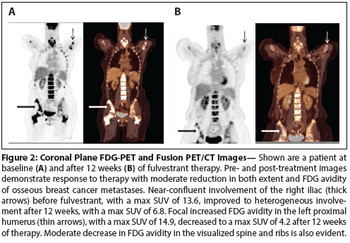
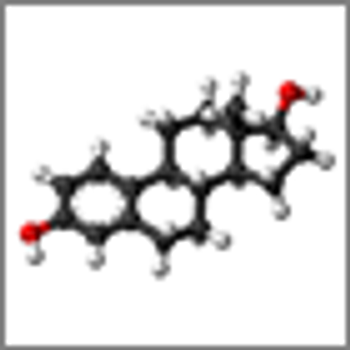
We review how radiolabeled glucose and estrogen analogs can be used in breast cancer patients. We focus this review on the application of positron emission tomography imaging to ER-positive metastatic breast cancer as an example of how imaging can guide breast cancer treatment.
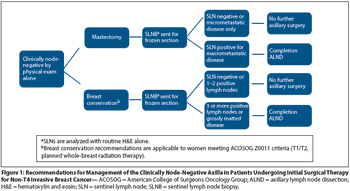
Here we review the evolution of sentinel lymph node biopsy for the management of clinically node-negative breast cancer, and we address the current controversies and management issues.
With the goal of helping to standardize and optimize care, ASCO has issued two new clinical guidelines on treating patients with HER2-positive breast cancer.

A retrospective analysis found that breast cancer patients with advanced disease are 1.6 times more likely to incur postoperative complications compared with early-stage patients.
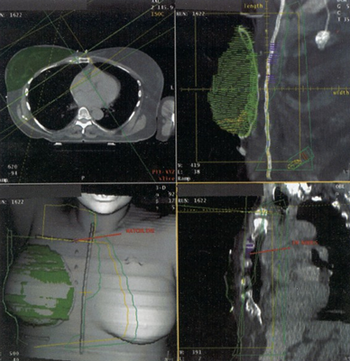
Breast cancer patients who had an axillary lymph node dissection had more complications compared with those who underwent radiotherapy for node-positive disease.
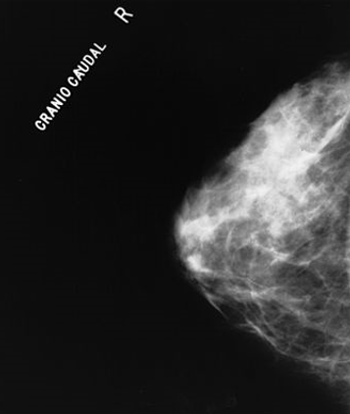
Physicians can help older women make informed mammography decisions by taking into account life expectancy and the harms and benefits of breast cancer screening.
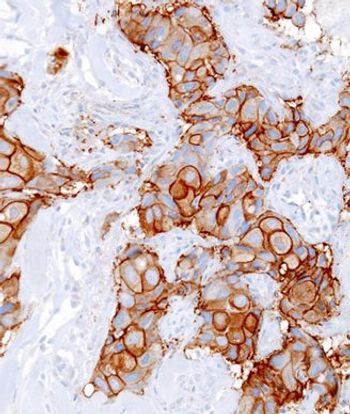
Dual HER2-targeted treatment with T-DM1 and pertuzumab resulted in positive antitumor activity in patients with HER2-positive, locally advanced or metastatic breast cancer, with an overall response rate of 41%.
A new pilot study demonstrates the ability of a blood-based test to detect metastatic breast cancer recurrence with high sensitivity and specificity.
It will be critically important to await the longer-term DFS and OS results from the neoadjuvant studies, as well as the adjuvant studies evaluating dual HER2 blockade, prior to these approaches truly becoming the standard of care.
Therapies targeting HER2 have revolutionized the treatment of breast cancer. Trastuzumab is the foundation of treatment for women with HER2-positive breast cancer. The challenge ahead is to develop predictors that can identify patients for whom trastuzumab alone will be sufficient.
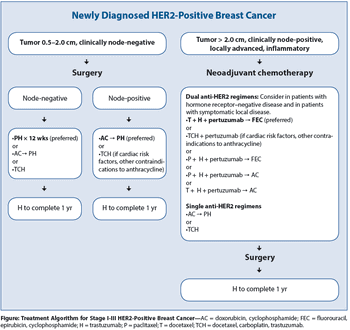
This review discusses the treatment of primary, nonmetastatic HER2-positive breast cancer in the adjuvant and neoadjuvant settings-settings in which tremendous progress has been made.
Two early trials studying CDK inhibitors in metastatic breast cancer have shown impressive activity in HR-positive disease, according to data presented at the AACR annual meeting.
A phase I study of intermittent oral lapatinib in patients with HER2-amplified breast cancer escalated up to 7,000 mg per day (shown to be effective in mouse models), found that plasma concentrations of the drug did not increase proportionately with the oral dose, impeding clinical translation of this method.
After a 30-year follow-up, it was shown that women treated with fertility drugs did not have an increased risk of breast cancer compared with women not exposed to the treatments.
Older age and comorbidities were associated with a higher risk of failing to complete trastuzumab therapy in a new study of older women with early-stage breast cancer, where nearly 20% failed to complete the treatment.

New guidelines supporting the broader use of sentinel lymph node biopsy in women with early-stage breast cancer have been issued by ASCO.
Contrary to some expectations, getting accelerated approval for neoadjuvant therapy does not look easy, and the pertuzumab story may be the exception that proves the rule.
At this point, there is expectation that pertuzumab given in the neoadjuvant setting will improve long-term efficacy. We welcome the opportunity to include pertuzumab in the neoadjuvant regimen of patients with HER2-positive breast cancer.
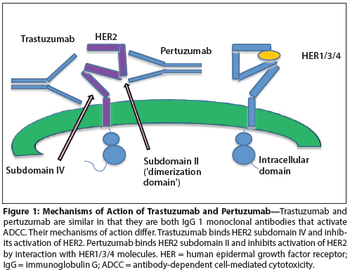
This article discusses the development of pertuzumab to date, with a particular focus on the accelerated approval decision. We highlight the need to identify reliable biomarkers of sensitivity and resistance to HER2-targeted therapy, which would make possible the individualization of treatment for patients with HER2-positive breast cancer.