





Genitourinary Cancers
Latest News
Advertisement
Latest Videos





CME Content































Advertisement
More News
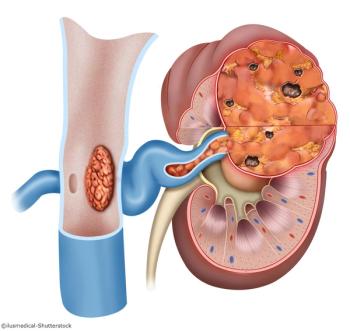
A pilot study evaluated cytoreductive surgery combined with immune checkpoint therapy in patients with metastatic renal cell carcinoma.
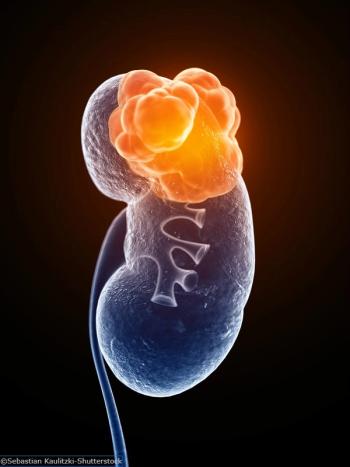
The study investigators evaluated the survival benefit of pazopanib in metastatic renal cell carcinoma patients with no evidence of disease after metastasectomy.
Progression-free survival was compared for the VEGF TKI tivozanib vs sorafenib across multiple subgroups of refractory advanced renal cell carcinoma.

A new agent that targets Nectin-4, a protein found in 97% of urothelial cancers, may be an option for patients with locally advanced or metastatic forms of urothelial cancer.
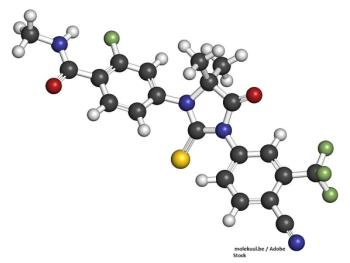
The phase III ENZAMET study showed 'practice-changing' results with enzalutamide for men with metastatic hormone-sensitive prostate cancer.

The TOPARP-B study showed that olaparib had activity in patients with metastatic castration-resistant prostate cancer with DNA damage repair gene defects.

The researchers compared hormonotherapy plus radiotherapy vs radiotherapy alone in prostate cancer patients who previously underwent radical prostatectomy.

Researchers tested the androgen receptor inhibitor apalutamide plus ADT in patients with metastatic castration-sensitive prostate cancer.

This study compared combination therapy with enzalutamide, abiraterone, and prednisone vs enzalutamide alone in men with metastatic castration-resistant prostate cancer.

This study tested first-line treatment with cabazitaxel vs hormonal therapy in patients with metastatic castration-resistant prostate cancer with poor prognosis.
The bar for the standard of care among patients with advanced renal cell carcinoma is set high as various promising combination therapies recently received FDA approval.
This review summarizes the current evidence supporting the use of SBRT as treatment for inoperable renal cell carcinoma, as well as provides recommendations for patient selection and reviews the technical aspects of treatment and the expected toxicities.
This case looks at an otherwise healthy 59-year-old man who was recently diagnosed with clinical stage IVB prostate adenocarcinoma. What is the most appropriate management for this patient?
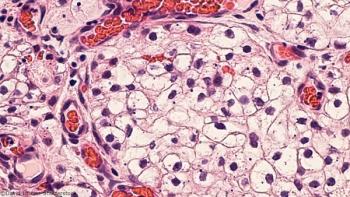
Analyzing somatic and germline mutations and MSI may reveal clinically actionable mutations in a proportion of patients with advanced RCC.

Researchers looked at the use and effects of 5α-reductase inhibitors to treat benign prostatic hyperplasia on prostate cancer outcomes.
Final results of LATITUDE confirm the benefit of abiraterone acetate plus prednisone along with ADT in high-risk metastatic castration-sensitive prostate cancer.

Dr. Balar highlights promising evidence on the potential benefits of the use of immunotherapy in the advanced bladder cancer setting.
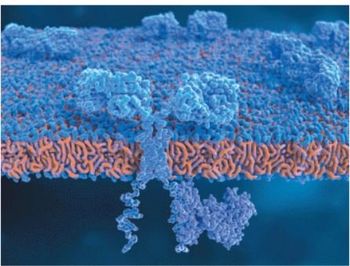
In this article, we review the current use of and future direction for genetic testing and tumor profiling in patients with metastatic castration-resistant prostate cancer.

The clinic educates, evaluates, and guides patients with prostate cancer on available treatments and helps to control associated anxiety.

Telerehabilitation and pharmacological pain management approaches were tested in patients with advanced cancers, including prostate cancer, to see if pain and function could be improved.

Researchers tested the addition of adjuvant chemotherapy to androgen suppression and radiotherapy in patients with localized high-risk prostate cancer.
A recent study in The Lancet Oncology suggests that the benefits of one tyrosine kinase inhibitor may extend to other subtypes of RCC.

The updates to the guidelines reflect recent advances, including recommended immunotherapies and changes in tumor staging.

Updated prostate cancer guidelines reflect the importance of tumor genetic testing and genomically-informed disease management.
Here, we review the current use and future direction of novel therapeutic targets in the treatment of castration-resistant prostate cancer.
Advertisement
Advertisement
Trending on CancerNetwork
1
Modifiable Risk Factors Suggest Potential for Improving Cancer Prevention
2
Dato-DXd Receives Priority Review in Unresectable/Metastatic TNBC
3
2026 Tandem Meetings: What’s the Latest Research in Multiple Myeloma?
4
Barriers to CAR T-Cell Referral and Center Access in Multiple Myeloma
5