
































A study shows that lower doses of ibrutinib after a full-dose cycle may be enough for continued biological activity.

Your AI-Trained Oncology Knowledge Connection!
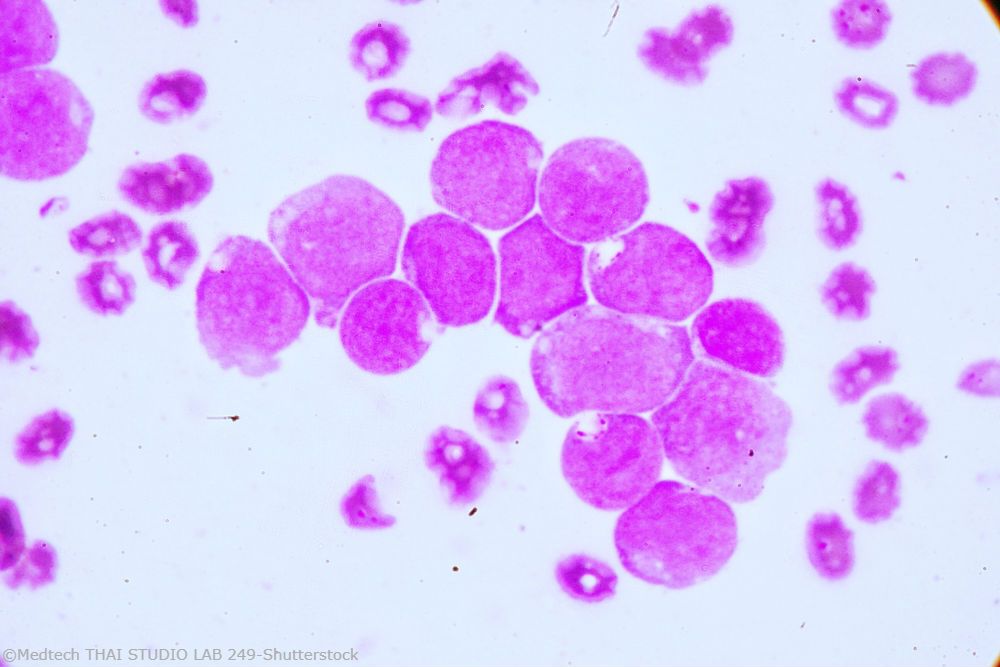
A study shows that lower doses of ibrutinib after a full-dose cycle may be enough for continued biological activity.
Long-term data from the phase III HELIOS trial indicates ibrutinib plus bendamustine and rituximab improve survival outcomes in CLL patients.

Dr. Ian Flinn spoke with Cancer Network about incorporating the newest approved therapies for the management of CLL.

The research, published in JAMA Oncology, evaluates survival outcomes of a second allogeneic hematopoietic cell transplant vs donor lymphocyte infusion.
A study in The Lancet Haematology suggests this combination could become first-line for elderly or unhealthy patients with newly diagnosed AML.
A study shows stress may affect certain cellular, cytokine, and chemokine markers in the body of patients with CLL.
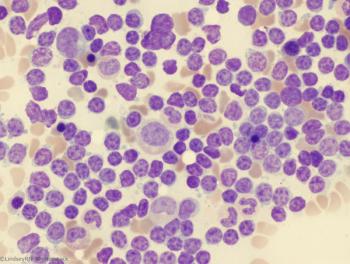
A study shows treatment with ibrutinib is superior to chemoimmunotherapy for patients with chronic treatment-naive CLL.

CX-01, a low-anticoagulant heparin derivative, has demonstrated good rates of complete remission, rapid platelet recovery, and no serious adverse events.
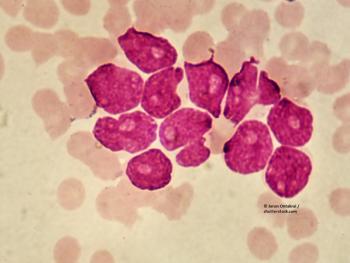
Although the study found lurbinectedin isn't promising, the presence of a chromosomal 11q21-23 abnormality may open doors in treating the disease.

Mogamulizumab (Poteligeo) is indicated for relapsed or refractory mycosis fungoides or Sézary syndrome following at least one prior systemic therapy.

Recent studies on CAR T-cell immunotherapy, and the recent approval of a new agent, add to evidence supporting the efficacy of these therapies.
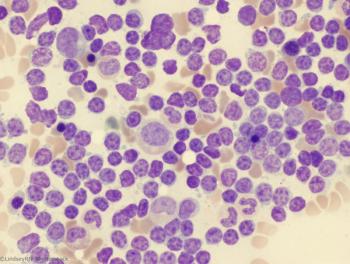
Ibrutinib demonstrated superior response rates and survival in certain CLL patients despite exclusion from major clinical trials.
A study shows bendamustine followed by venetoclax and obinutuzumab was active in treatment-naive or relapsed/refractory CLL.

Active surveillance could help lead to early excision of melanoma, and thus better outcomes, in patients with CLL.
Using mediation analysis, researchers were able to identify three gene expression markers that help explain the observed prognostic difference between certain AML patients.
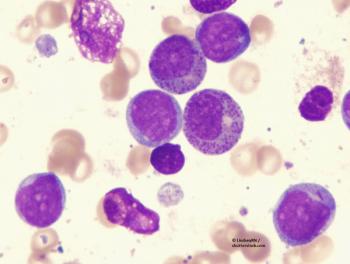
Investigations into the CSF3R gene may help lead to better classification and precise treatment of AML.

DLBCL and FL patients experience considerable economic burden during the first year after diagnosis.
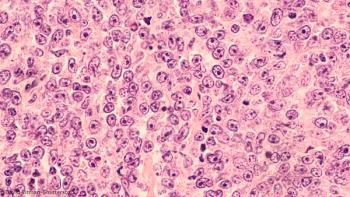
New data support PFS as a surrogate endpoint for OS in future trials evaluating chemoimmunotherapy in DLBCL.

In the DBL3001 trial, the combination of ibrutinib and R-CHOP was not superior to treatment with R-CHOP alone.
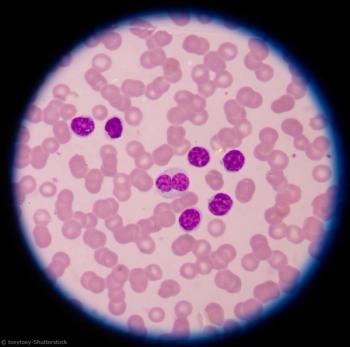
Chemoimmunotherapy followed by lenalidomide consolidation is tolerated and extends PFS and OS in CLL patients.
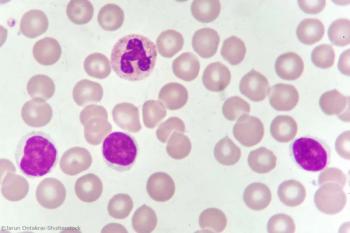
In analyzing over 8,300 mosaic chromosomal alterations in UK Biobank participants, Harvard researchers uncovered specific alterations that may predict for CLL.
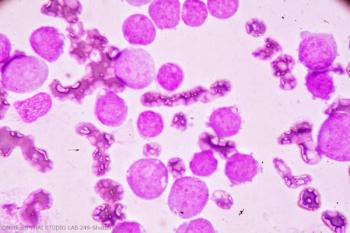
In a large international study, pre-AML cases had greater clonal expansion and enrichment of specific gene mutations; origins of AML were detected > 5 years before it developed.
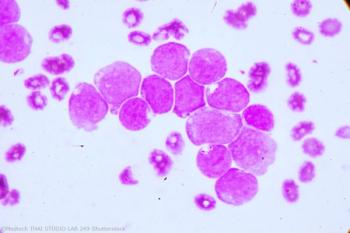
A preclinical study of ibrutinib provides compelling evidence that myeloid leukemias with mutated G-CSFR have abnormal activation of Btk.
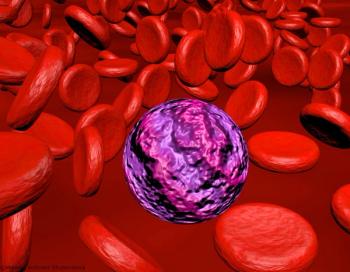
Strong efficacy and safety outcomes with this agent, which targets the molecular driver of an AML subset, have led to its approval in IDH1-mutated R/R disease.

In the emerging era of personalized treatment, it may be time to rethink which surrogate markers are used in AML clinical trials.