




































Kelly Valla, PharmD, BCOP, reviews the product profile of tazemetostat for the treatment of follicular lymphoma.

Your AI-Trained Oncology Knowledge Connection!
Kelly Valla, PharmD, BCOP, reviews the product profile of tazemetostat for the treatment of follicular lymphoma.
Bayer seeks FDA approval for its agent copanlisib in combination with rituximab for the treatment of patients with indolent non-Hodgkin lymphoma.

A nulliparous woman, age 25 years, had received a diagnosis of non-Hodgkin lymphoma and now presented with stage IIA diffuse large B-cell lymphoma. Due to potential risks of chemotherapy-induced gonadotoxicity and subsequent iatrogenic premature ovarian failure and fertility loss, the patient was referred to the reproductive medicine department for fertility preservation counseling and further management.

This special edition of the “Oncology Peer Review On-The-Go” podcast details treatment options and considerations for relapsed/refractory follicular lymphoma.
Real-world data regarding the use of tisagenlecleucel and axicabtagene ciloleucel CAR T-cell therapy are reported at 2021 EHA.
CAR T-cell therapy with axicabtagene ciloleucel (axi-cel; Yescarta) showed promise in patients with high-risk relapsed/refractory indolent non-Hodgkin lymphoma.
Real-world evidence evaluating the efficacy of rituximab maintenance following frontline BR or R-CHOP supports its use in mantle cell lymphoma.
Treatment with axicabtagene ciloleucel resulted in improved survival and tumor responses in patients with relapsed/refractory follicular lymphoma versus other available therapies.
Clinical activity with the combination of naratuximab emtansine plus rituximab was observed in patients with relapsed or refractory diffuse large B-cell lymphoma.
The addition of lenalidomide to rituximab continued to improve survival outcomes with durable responses among patients with indolent B-cell non-Hodgkin lymphomas and mantle cell lymphomas.
Phase 1 data presented at 2021 EHA indicate that a high rate of response was associated with zandelisib plus zanubrutinib therapy in patients with relapsed/refractory B-cell malignancies and chronic lymphocytic leukemia.

The CAR T-cell therapy lisocabtagene maraleucel resulted in better efficacy versus standard of care with no new safety signals.
CAR066, showed a favorable safety profile and promising efficacy in the treatment of adult patients with relapsed/refractory B-cell non-Hodgkin lymphoma who failed prior CD19 CAR T-cell therapy.
Updated data from the pivotal L-MIND trial that were presented at the 2021 ASCO Annual Meeting continue to support the use of tafasitamab-cxix in patients with relapsed/refractory diffuse large B-cell lymphoma.

The novel combination of polatuzumab vetodin, rituximab and lenalidomide improved overall response and complete response for patients with relapsed/refractory diffuse large B-cell lymphoma.
Most patients with either mantle cell lymphoma or chronic lymphocytic leukemia who were treated in a phase 1/2 trial had a response to therapy with the combination of cirmtuzumab plus ibrutinib.
The combination of mosunetuzumab plus polatuzumab vedotin showed positive efficacy and safety data in a phase 1b study of patients with B-cell non-Hodgkin lymphoma.
A retrospective analysis aims to define treatment outcomes in patients with mantle cell lymphoma who are elderly or unfit for standard therapy.
The radioimmunotherapy 177-Lu lilotomab satetraxetan in combination with rituximab led to a 100% response rate in a small cohort of patients with follicular lymphoma who were receiving treatment in the second-line setting.
Phase 2 data supporting the use of loncastuximab tesirine in patients with diffuse large B-cell lymphoma published in The Lancet Oncology show the agent inducing a response in about half of patients with pretreated disease.
Results of a study found that ctDNA could provide an immediate benefit for mitigating selection bias in DLBCL-centered clinical trials.

Based on phase 1 and 2 trial results and pooled safety data from several clinical trials, zanubrutinib moves forward with a priority review in relapsed/refractory marginal zone lymphoma.
An observational cohort study revealed that BEAM therapy led to subpar outcomes compared with thiotepa-based treatment for patients requiring conditioning regimens for primary central nervous system lymphoma.
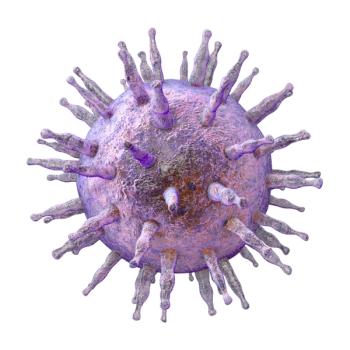
An off-the-shelf cellular therapy that combines Epstein Barr Virus–Specific T cells and a CD30-targeting chimeric antigen receptor product demonstrated safety and early efficacy in a group of patients with CD30-positive lymphomas.
The 3-year follow-up analysis of 4 treatment groups who received CNS prophylaxis found a decreased incidence of CNS relapse for patients with high-risk diffuse large B-cell lymphoma, although the data were not statistically significant.