



!["[These] data provide framework to assist in patient counseling and optimizing selection," according to the study authors.](https://cdn.sanity.io/images/0vv8moc6/cancernetwork/afc4e7af61f986692735b0d673f3933a45f75fc2-2249x2250.png)


Bladder Cancer
Latest News
Advertisement
Latest Videos



CME Content
































Advertisement
More News

Combining durvalumab with chemotherapy produced a good safety profile without increasing surgical risk in the phase 2 iNDUCT-GETUG V08 trial.
Comprehensive prehabilitation may help prepare patients for bladder-preserving surgery, helping to optimize quality of life outcomes.
Ongoing research suggests environmental exposures and the role of microbiomes may influence bladder cancer development and response to treatment.
Results from the phase 3 NIAGARA trial led to the approval of adjuvant durvalumab/chemotherapy for patients with muscle-invasive bladder cancer after radical cystectomy.
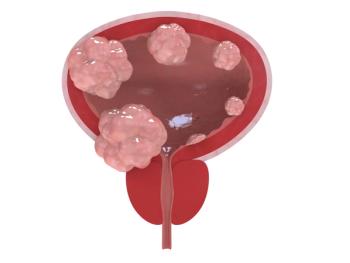
No grade 3 or higher treatment-related adverse effects or deaths were reported among those with non-muscle invasive bladder cancer in the BOND-003 trial.

In patients with low-grade intermediate-risk non-muscle invasive bladder cancer who achieved a CR at 3 months with UGN-102, the 18-month DOR was 80.6%.
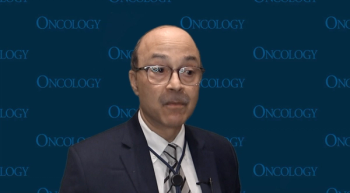
“The single most practice-impacting abstract might be the [phase 3 NIAGARA trial] follow-up,” Guru P. Sonpavde, MD, said, regarding results shared at 2025 ASCO GU.
Additional results from the phase 3 NIAGARA trial showed improved event-free survival and overall survival with durvalumab/gemcitabine/cisplatin in MIBC.

Retrospective analyses found that antihistamines added to atezolizumab yielded a 46% OS rate, a 48% CSS rate, and a 23% PFS rate in patients with metastatic urothelial carcinoma.

The Oncology Decoded podcast highlighted the impact of the results from the NIAGARA trial for patients with bladder cancer in a post-ASCO GU discussion.
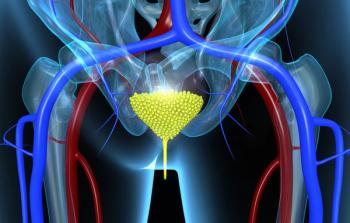
Outcomes observed in the phase 3 EV-302 trial are “transformative” for most patients with advanced or metastatic urothelial carcinoma.

Other ongoing urothelial cancer trials are assessing enfortumab vedotin–based combinations in the neoadjuvant setting.
Approximately 95% of those with a complete response to enfortumab vedotin plus pembrolizumab were alive after 2 years in the phase 3 EV-302 trial.
Thomas Powles, MBBS, MRCP, MD, highlighted fatigue, nausea, and peripheral neuropathy as toxicities observed with enfortumab vedotin plus pembrolizumab.
Updated findings from the phase 3 EV-302 trial show enduring responses and survival improvements with enfortumab vedotin plus pembrolizumab.

Data from the ENVISION and ATLAS trials demonstrated clinically meaningful responses with UGN-102 in the treatment of low-grade, intermediate-risk NMIBC.
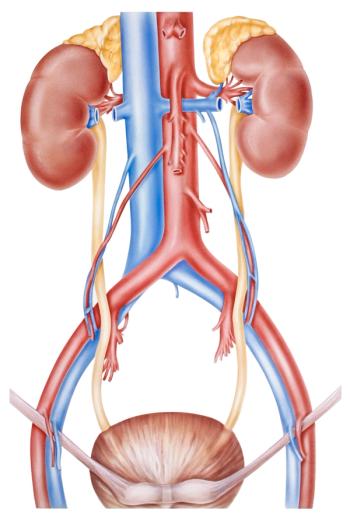
Data from the EV-302 trial support enfortumab vedotin plus pembrolizumab as a new standard of care in frontline urothelial cancer.

The safety profile of dato-DXd in the phase 1 TROPION-PanTumor01 trial is comparable with prior reports of the agent.
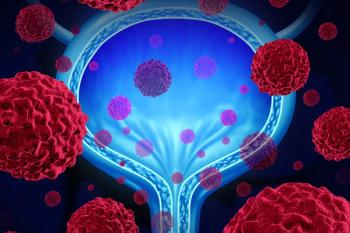
Avelumab maintenance demonstrated improved survival outcomes in advanced urothelial carcinoma, including patients with diabetes, in the JAVELIN Bladder 100 study.
Patients with neuropathy experienced a longer PFS with enfortumab vedotin vs those without neuropathy, skin rash, or hyperglycemia.
Data from CheckMate-274 support adjuvant nivolumab as a standard of care in high-risk muscle-invasive urothelial carcinoma.

Investigators assessed the long-term outcomes of neoadjuvant chemotherapy plus chemoradiation in those with non-metastatic muscle-invasive bladder cancer.
UGN-102 elicited complete responses in 79.6% of patients with non–muscle-invasive bladder cancer at 3 months in the ENVISION trial.
Data from the phase 2b SunRISe-1 study support the NDA for TAR-200 in patients with BCG-unresponsive high-risk non–muscle-invasive bladder cancer with CIS.
Advertisement
Advertisement
Trending on CancerNetwork
1
Modifiable Risk Factors Suggest Potential for Improving Cancer Prevention
2
2026 Tandem Meetings: What’s the Latest Research in Multiple Myeloma?
3
Dato-DXd Receives Priority Review in Unresectable/Metastatic TNBC
4
ASCO President Elect Talks Advancing Patient-Centered Care and Team-Based Innovation
5