



Bladder Cancer
Latest News
Advertisement
Latest Videos

CME Content































Advertisement
More News
Expert panelists review a patient presentation of bladder cancer and consider the typical signs and symptoms that may lead to a diagnosis.

Combining enfortumab vedotin with pembrolizumab yields a manageable safety profile in patients with locally advanced or metastatic urothelial cancer in the phase 1b/2 EV-103 study.
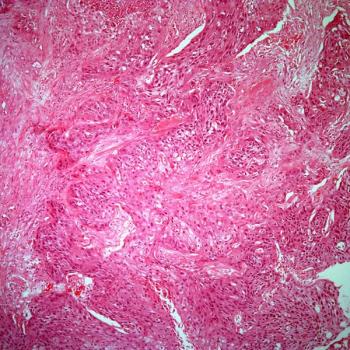
Findings from the phase 3 SWOG S1011 trial highlight no significant differences between extended lymphadenectomy vs standard lymphadenectomy in terms of disease-free survival in patients with muscle-invasive breast cancer.
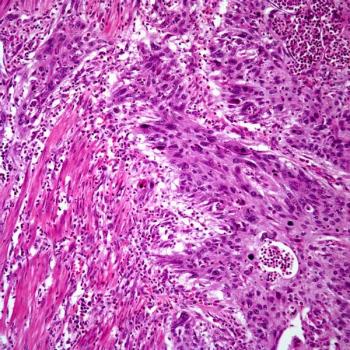
Pembrolizumab in combination with enfortumab vedotin-ejfv demonstrates a manageable safety profile in the treatment of metastatic urothelial carcinoma in the EV-103 trial.

The overall survival benefit of erdafitinib supports molecular testing of FGFR in all patients with metastatic urothelial carcinoma, according to an expert from University Paris-Saclay in France.
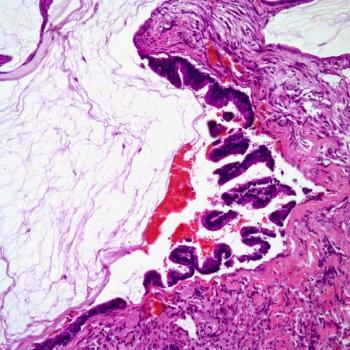
Findings from a retrospective analysis highlight no significant differences in metastasis-free survival in patients with muscle-invasive bladder cancer who received radical cystectomy vs trimodality therapy.
The FDA requests additional data and a safety update regarding N-803 plus BCG as a treatment for patients with BCG-unresponsive non-muscle invasive bladder carcinoma.
An artificial intelligence-based model for detecting lymph node metastases appears to identify tumor micrometastases in bladder cancer that pathologists may miss while classifying patient results as negative.
Data from the phase 2 TITAN-TCC trial suggest that early non-responders with metastatic urothelial carcinoma with PD-L1–positive tumors benefit from nivolumab plus nivolumab/ipilimumab boosts.

Nazy Zomorodian, NP, spoke with CancerNetwork® about the unique dosing schedule of enfortumab vedotin plus pembrolizumab following its accelerated approval by the FDA in advanced/metastatic urothelial cancer.

Results from cohort K of the phase 1b/2 KEYNOTE-869 trial led to the accelerated approval of enfortumab vedotin plus pembrolizumab in patients with locally advanced or metastatic urothelial cancer who cannot receive cisplatin-based chemotherapy.
Shilpa Gupta, MD, discusses bladder preserving strategies for unfit or young patients, trials assessing immunotherapy combinations, and results from the BLASST-1 trial presented at ASCO GU.

Shilpa Gupta, MD, shares the current standard of care for muscle-invasive bladder cancer and highlights other options that may be suitable for some patients.
An expert from Chase Comprehensive Cancer Center discusses how findings from a genomic analysis of the phase 2 BLASST-1 trial may identify biomarkers of response and resistance to nivolumab/chemotherapy in muscle-invasive bladder cancer.
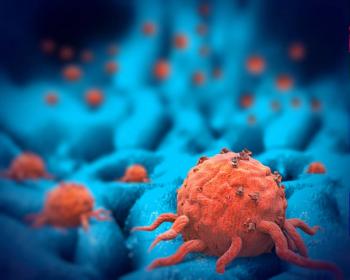
A retrospective study clarifies how the implementation of avelumab maintenance looks in real-world practice, according to an expert from Seattle Cancer Care Alliance.
First-line maintenance with avelumab in locally advanced or metastatic urothelial carcinoma yields efficacy that appears consistent between clinical and real-world settings.

Results from the phase 3 IMvigor130 trial reveal a trend towards overall survival improvement when atezolizumab plus chemotherapy was given to patients with locally advanced or metastatic urothelial carcinoma vs placebo.
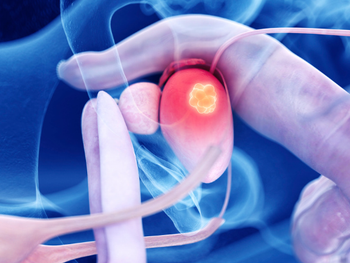
An exploratory analysis indicates that overall survival did not improve with the use of single-agent atezolizumab in untreated locally advanced or metastatic urothelial cancer.
Pembrolizumab appears to achieve antitumor activity in terms of disease-free survival in patients with Bacillus calmette-guerin–unresponsive, papillary high–risk, non-muscle invasive bladder cancer.
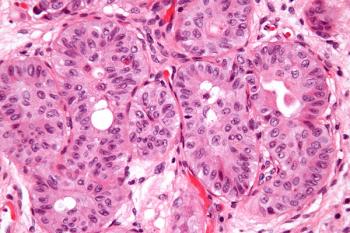
Extended follow-up findings further support the use of nivolumab as a standard of care in high-risk muscle-invasive urothelial carcinoma following radical resection.
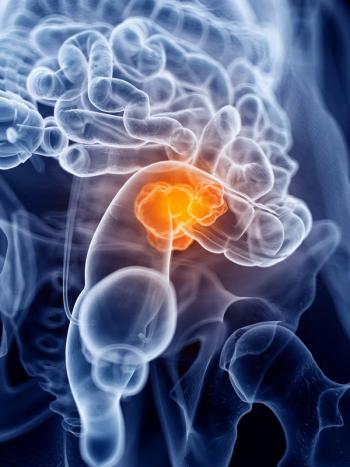
Data from the phase 2 TROPHY-U-01 trial support further evaluation of sacituzumab govitecan in patients with metastatic urothelial cancer following immune checkpoint inhibitor therapy, according to the lead investigator.
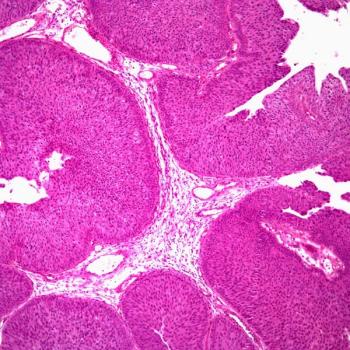
Findings from the phase 2 UNITE study indicate that certain biomarkers may help inform clinical decision making and sequencing in patients with advanced urothelial carcinoma.
Almost half of patients with muscle-invasive bladder cancer in a phase 2 trial had clinical complete responses following transurethral resection of bladder tumors plus nivolumab and chemotherapy.
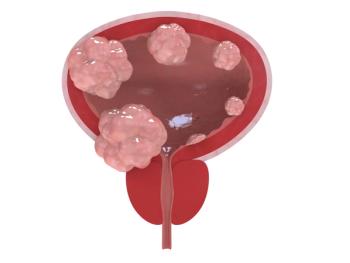
Investigators identify an association between circulating tumor DNA in the blood plasma detected via the RaDaR assay and response to treatment with neoadjuvant immunotherapy for muscle-invasive bladder cancer.
Patients with previously untreated, locally advanced or metastatic urothelial carcinoma responded to treatment with trilaciclib and avelumab.
Advertisement
Advertisement
Trending on CancerNetwork
1
Modifiable Risk Factors Suggest Potential for Improving Cancer Prevention
2
2026 Tandem Meetings: What’s the Latest Research in Multiple Myeloma?
3
Dato-DXd Receives Priority Review in Unresectable/Metastatic TNBC
4
Barriers to CAR T-Cell Referral and Center Access in Multiple Myeloma
5