





Colorectal Cancer
Latest News
Advertisement
Latest Videos



CME Content
































Advertisement
More News

A new combination may offer better survival for patients with BRAFV600E-mutated metastatic colorectal cancer.

A new combination may be key to improving tumor response rates and overall survival in colorectal cancer.

As more younger adults are diagnosed with colorectal cancer, the FDA approved Cologuard, a stool-based, at-home colorectal cancer screening, for adults aged 45 to 49 years.

The ACHIEVE study is one of six that are part of a global collaborative effort to evaluate the noninferiority of 3-month vs 6-month oxaliplatin-based adjuvant chemotherapy in patients with stage III colon cancer.

A new study looked at the physical activity among patients with metastatic colorectal cancer to see if it affected disease progression and overall survival.
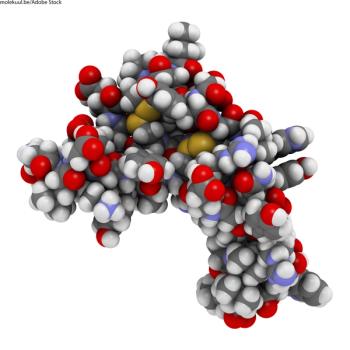
The phase II study compared single-agent anti-EGFR panitumumab to panitumumab combined with fluorouracil-leucovorin in patients with RAS wild-type metastatic colorectal cancer.

A new study examined survival rates in patients with resected stage III colon cancer based on microsatellite instability and mismatch repair status.
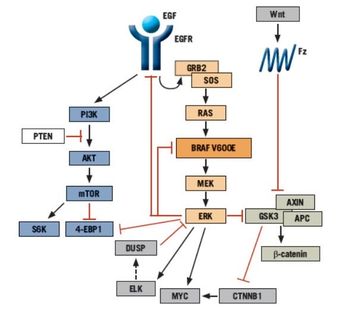
In this article, we review the characteristics of the BRAF mutation and the evolving strategies for managing BRAF-mutant metastatic colorectal cancer.

This slideshow reviews the latest guidelines and updates on colorectal cancer screening.

Cancer Network spoke with Chiara Cremolini, MD, about the updated results of the phase III randomized strategy study TRIBE2, which looked at the first- and second-line treatment of unresectable metastatic colorectal cancer.

Data from the randomized OSLO-COMET trial were presented at ASCO 2019, revealing the survival of laparoscopic vs open surgery for liver metastases in colorectal cancer.

A longer progression-free survival with FOLFOXIRI plus bevacizumab was noted in patients with metastatic colorectal cancer with poor prognosis.

Dr. Sinicrope reviews the phase III ATOMIC trial, which is testing standard chemotherapy alone or in combination with the anti–PD-L1 antibody atezolizumab as adjuvant therapy in a subset of colon cancer patients.

A study in JAMA evaluated whether adding high-dose vitamin D3 to standard chemotherapy improves PFS in patients with advanced or metastatic colorectal cancer.

A phase III trial examined immunotherapy in patients with microsatellite-stable metastatic colorectal cancer.
Researchers evaluated a “watch and wait” strategy that includes chemotherapy and radiation, but not surgery, in carefully selected patients with rectal cancer.

An oncology pharmacist discusses how to prevent and treat the toxicities from regorafenib for the treatment of colorectal cancer.

Investigators studied a combination of pertuzumab and trastuzumab in patients with metastatic, HER2-positive colorectal cancer.
Research published in Cancer evaluated whether colorectal cancers diagnosed in early adulthood differ from those diagnosed at older ages.

Here, we look at the currently open and recruiting clinical trials that focus on the role of the microbiome in colorectal cancer.

Cancer Network spoke with Dr. Scott Kopetz about RNA-based subtyping and the challenge of spreading the word of the importance of biomarker testing in colorectal cancer.

A recent study identified a new biomarker in colorectal cancers that may assist in early detection of the disease.

Cancer Network spoke with Dr. Michael Holick about the role of and effectiveness of vitamin D in cancer prevention.
Researchers tested whether the combination of durvalumab and tremelimumab could improve survival over best supportive care in patients with advanced refractory colorectal cancer.

Researchers tested an antigen-specific cancer vaccine known as tecemotide vs placebo in patients with colorectal cancer and liver metastases to see if outcomes would be improved.
Advertisement
Advertisement
Trending on CancerNetwork
1
Modifiable Risk Factors Suggest Potential for Improving Cancer Prevention
2
2026 Tandem Meetings: What’s the Latest Research in Multiple Myeloma?
3
Dato-DXd Receives Priority Review in Unresectable/Metastatic TNBC
4
Barriers to CAR T-Cell Referral and Center Access in Multiple Myeloma
5