



Colorectal Cancer
Latest News
Advertisement
Latest Videos






CME Content

































Advertisement
More News

Mortality from colorectal cancer has decreased since 1970 in young black patients aged 20 to 54, but has increased in white patients since 1995 in those aged 30 to 39 years and since 2005 in those aged 40 to 54 years after decades of decreasing.
The FDA has granted accelerated approval to nivolumab for use in adult and adolescent patients with MSI-H or dMMR metastatic colorectal cancer.
Two studies on Lynch syndrome highlight cancer screening and surveillance opportunities.
Overweight and obesity in adolescence were associated with an increased risk for colon cancer later in life among both men and women, according to the results of a recent study.
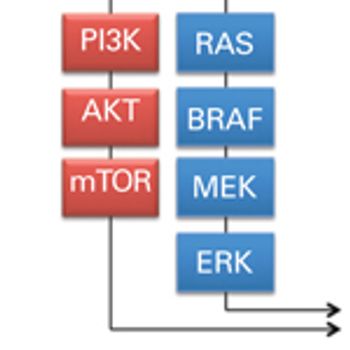
Here we review drugs that target the EGFR and VEGF pathways, focusing on patient selection, drug toxicities, and how to choose agents for first-line therapy.
Here we review the evidence for use of biologic agents in the second-line setting and beyond. We also discuss off-label indications for biologics in selected patient populations, as well as biologics currently under development.
Holocaust survivors have a small but consistent increase in the risk of developing cancer, in particular colorectal and lung cancers.
Adherence to a Mediterranean diet is negatively associated with advanced colorectal polyps, and the specific portions of the diet that appear to have the most influence include high intake of fish and fruit and low intake of soft drinks.
Patients with colorectal cancer that has metastasized to the liver derive a significant benefit from selective internal radiation therapy (SIRT) combined with chemotherapy if their primary tumor is a right-sided tumor, but not if it is a left-sided primary tumor.
Salvage surgery is associated with prolonged survival in patients with rectal cancer who have lung and liver recurrence after TME.
The primary tumor location was an independent prognostic marker in patients with RAS wild-type metastatic colorectal cancer after multivariable adjustment.

Long-term survivors of wild-type KRAS colorectal cancer tumors had significantly improved survival with regular use of nonsteroidal anti-inflammatory drugs.

Patients may be able to shorten their chemotherapy course after surgery for lymph node–positive colon cancer, according to an analysis of six clinical trials.
Patients with stage III colon cancer who maintained a healthy lifestyle had a reduced risk for death and a trend for a lower chance of recurrence.
Attending at least one surveillance visit with colonoscopy benefited most patients diagnosed with intermediate-risk adenomas, according to the results of a retrospective study.

Patients with stage III colon cancer who consumed at least two servings of nuts per week had significantly reduced risk for recurrence and death.
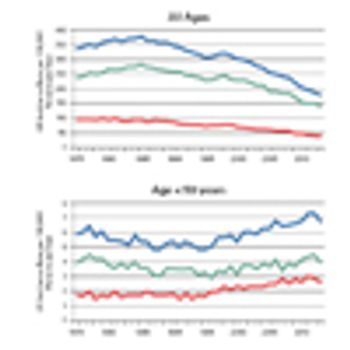
In this review, we address specific issues pertaining to AYA patients with colorectal cancer, including evaluation for hereditary colorectal cancer syndromes, clinicopathologic and biologic features unique to AYA patients with colorectal cancer, treatment outcomes, and survivorship.
A delay of 10 months or longer between a positive fecal immunochemical test and a follow-up colonoscopy was associated with a higher risk of colorectal cancer.
Dual HER2 blockade with trastuzumab and lapatinib yielded good response rates in HER2-amplified, RAS wild type, treatment-refractory metastatic colorectal cancer patients, according to results of the HERACLES study.
Aspirin had a greater effect on colorectal cancer survival in patients with low-level CD274 (PD-L1) expression in their tumors, according to the results of a study.
Molecular Testing to Optimize and Personalize Decision Making in the Management of Colorectal Cancer
Recent improvements in our understanding of the biology of colorectal cancer have led to the identification of several important prognostic and predictive markers of disease-associated risk and treatment response for the individual patient.
Adjuvant chemotherapy is underutilized in elderly patients with stage III colon cancer, despite improved long-term survival after treatment.

In this interview we discuss the role of genetic testing in patients with colon cancer.
No difference in time to recurrence, recurrence-free survival, or overall survival were noted for patients with rectal cancer who underwent one of three different preoperative radiotherapy regimens.
Completing a course of preoperative radiotherapy prior to undergoing surgical resection for rectal cancer was associated with improved survival compared with patients who had an incomplete course of radiotherapy.
Advertisement
Advertisement
Trending on CancerNetwork
1
Modifiable Risk Factors Suggest Potential for Improving Cancer Prevention
2
2026 Tandem Meetings: What’s the Latest Research in Multiple Myeloma?
3
Dato-DXd Receives Priority Review in Unresectable/Metastatic TNBC
4
Barriers to CAR T-Cell Referral and Center Access in Multiple Myeloma
5