





Radiation Oncology
Latest News
Advertisement
Latest Videos



CME Content






























Advertisement
More News

Administering 177Lu for mCRPC is a “team sport”, according to Steven Finkelstein, MD, DABR, FACRO.
After the recent approval of 177Lu in PSMA+/mCPRCP prior to chemotherapy, Steven Finkelstein, MD, DABR, FACRO, highlights the importance of this milestone.

Steven Finkelstein, MD, DABR, FACRO, spoke about the impact of the approval of 177Lu for patients with PSMA-positive mCRPC.
Testing a patient’s genetics may influence decisions such as using longer courses of radiotherapy, says Rachit Kumar, MD.

Multidisciplinary collaboration may help in minimizing the treatment burden among patients with prostate cancer, according to Curtiland Deville Jr, MD.

The phase 3 MIRAGE trial findings show that PROSTOX ultra was validated as a biomarker to predict genitourinary toxicity following SBRT.
Focused, high-dose radiotherapy doses may prolong survival and the interval to subsequent therapy for patients with advanced prostate cancer.
Data show increasing use of proton therapy overall but widening gaps in populations who have access to this treatment, Curtiland Deville Jr, MD, says.

Experts from Sibley Memorial Hospital discuss how multidisciplinary work has enhanced outcomes such as survival and resource use at their institution.
Various methods of communication ensure that members from radiation oncology, pathology, and other departments are on the same page regarding treatment.

Greater cancer treatment longevity enables oncologists the ability to form more impactful relationships with their patients.
Adaptive radiation may help individualize therapy based on transient factors patients are faced with while receiving treatment for cancer.
Experts from Sibley Memorial Hospital highlight radiation oncology technologies that have played key roles in cancer care at their institution.

A radiation oncologist discussed challenges related to the radiation oncology space as well as ongoing developments in the field highlighted at ACRO.
A radiation oncologist discussed the theranostics treatment landscape and career opportunities in the field at the 2025 ACRO Summit.
ACRO presentations may enable community practices to utilize cutting-edge radiation advances to deliver optimal treatment to patients.

Retrospective data may offer actionable guidance for clinicians treating patients with non–small cell lung cancer and brain metastases.

James B. Yu, MD, MHS, FASTRO, didn’t always envision himself as a radiation oncologist, but now works tirelessly to treat patients and advance research for genitourinary cancers.
Factors such as World Health Organization status appeared to correlate with early mortality in an elderly non–small cell lung cancer cohort.
Radiotherapy plus camrelizumab and platinum-doublet chemotherapy showed manageable toxicity in untreated non–small cell lung cancer with brain metastases.

Data support cetuximab/radiotherapy as a suitable option in carefully selected patients with HPV-negative squamous cell carcinoma of the head and neck.
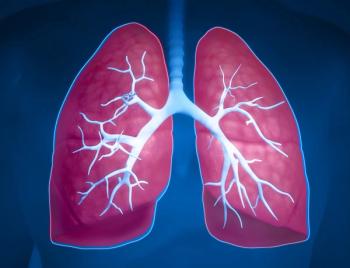
A single-arm phase 2 study assessed local consolidative therapy regimens in patients with oligometastatic stage IV non–small cell lung carcinoma.

Although not hitting its primary end point, a phase 2 trial showed that SBRT plus concurrent radiotherapy improved on results elicited in other trials.

Data from the phase 3 OPERA trial support contact X-ray brachytherapy boost as a treatment option for preserving organs in smaller rectal adenocarcinoma tumors.
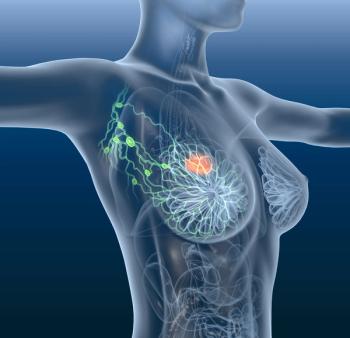
Analysis of NRG/RTOG 9804 and E5194 trials found tamoxifen significantly reduced invasive ipsilateral breast recurrence in patients with “good risk” DCIS treated without RT.
Advertisement
Advertisement
Trending on CancerNetwork
1
Modifiable Risk Factors Suggest Potential for Improving Cancer Prevention
2
2026 Tandem Meetings: What’s the Latest Research in Multiple Myeloma?
3
Barriers to CAR T-Cell Referral and Center Access in Multiple Myeloma
4
Dato-DXd Receives Priority Review in Unresectable/Metastatic TNBC
5