



Surgery
Latest News

Advertisement
Latest Videos




Podcasts

CME Content

































Advertisement
More News

A new type of robotic posterior surgery has been shown to be a treatment option for patients with devastated bladder outlets.

Utilizing a multidisciplinary breast cancer clinic helped improve time to first appointment and time to first treatment.

IBTR with the 1 mm and 2 mm cutoff found rates found the margin widths were small and not clinically meaningful.
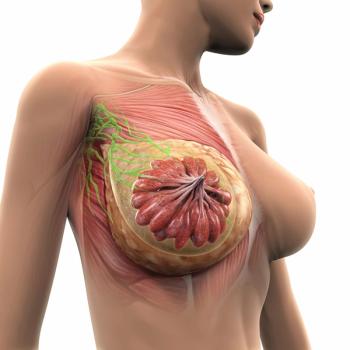
Ninety days of endocrine therapy before surgery could change patient/surgeon preference on concurrent radiation use in those with breast cancer.

Data show that patients who undergo grade group 1 prostatectomies may experience an increased likelihood of higher risk features.
!["[These] data provide framework to assist in patient counseling and optimizing selection," according to the study authors.](https://cdn.sanity.io/images/0vv8moc6/cancernetwork/afc4e7af61f986692735b0d673f3933a45f75fc2-2249x2250.png?w=350&fit=crop&auto=format)
Findings may establish a framework for assisting patient counselling and optimizing therapy selection for those undergoing radical cystectomy.


Robot-assisted minimally invasive esophagectomies with anastomotic technique were completed without complications or mortality in a majority of patients.

The developer will conduct a US feasibility test to evaluate the safety and efficacy of the SIRA RFA Electrosurgical Device in patients who require breast-conservation surgery.

The Integrated Palliative Care Outcome Scale showed the potential to guide palliative care integration to better help patients and clinicians after AHSCT.

Future work may focus on optimizing symptom management associated with percutaneous transesophageal gastrostomy placement in malignant bowel obstructions.
Postoperative length of stay ranged from 4 to 9 days for patients who underwent percutaneous transesophageal gastrostomy for malignant bowel obstructions.

A lack of guidelines, a loss of follow-up, and out-of-state procedures are all potential reasons for 26% of patients undergoing appendectomy.

Experts from Sibley Memorial Hospital discuss how multidisciplinary work has enhanced outcomes such as survival and resource use at their institution.

Postoperative complications and mortality after standard or postponed surgery for esophageal cancer after active surveillance were similar in both groups.
The staged approach to colectomy offers survival benefits, and it may help avoid unnecessary procedures that only require appendectomy.
“We did not find any benefit for any of the subgroups in our paper and our study,” Muhammad Talha Waheed, MD, stated.
Adding HIPEC to CRS did not show any added benefit but has shown increased toxicities in patients with colorectal peritoneal metastasis.

Future research will aim to assess the efficacy of PIPAC-MMC plus systemic therapy vs systemic therapy alone in patients with peritoneal tumors.
Although small incision surgery may serve as a conduit to deliver PIPAC-MMC, it may confer benefits in the staging and treatment of peritoneal tumors.

Muhammad Talwa Waheed, MD, found that resection after appendectomy should be prioritized in the treatment of patients with appendiceal cancer.
Patients with peritoneal metastases were historically associated with limited survival and low consideration for clinical trials.

Laparoscopic, histologic, and biomarker responses occurred at all dose levels of mitomycin treatment in patients with peritoneal metastases.

A phase 2 trial presented at SSO met its primary end point by achieving negative margins in 79% of patients with node-negative rectal cancer.
The “inescapability” of climate hazards may necessitate prioritization of research to improve outcomes among vulnerable populations who require treatment.
Advertisement
Advertisement
Trending on CancerNetwork
1
Modifiable Risk Factors Suggest Potential for Improving Cancer Prevention
2
2026 Tandem Meetings: What’s the Latest Research in Multiple Myeloma?
3
Dato-DXd Receives Priority Review in Unresectable/Metastatic TNBC
4
ASCO President Elect Talks Advancing Patient-Centered Care and Team-Based Innovation
5