






Surgery
Latest News
Advertisement
Latest Videos



CME Content

































Advertisement
More News
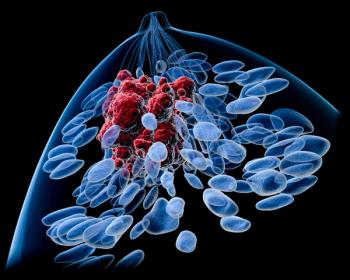
Young patients with breast cancer were more likely to be the reason for diagnostic delays vs system delays, partly due to less concern for their symptoms.
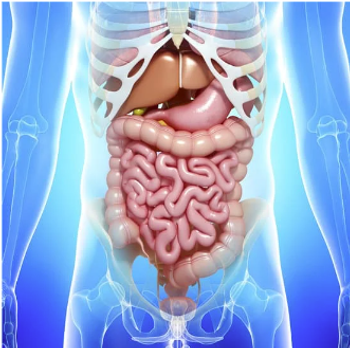
In-hospital mortality and complication rates were lower at accredited hospitals vs those not accredited for patients undergoing rectal cancer surgery.

The pilot trial is planning to enroll 20 patients who are deemed inoperable but do not have metastatic disease.
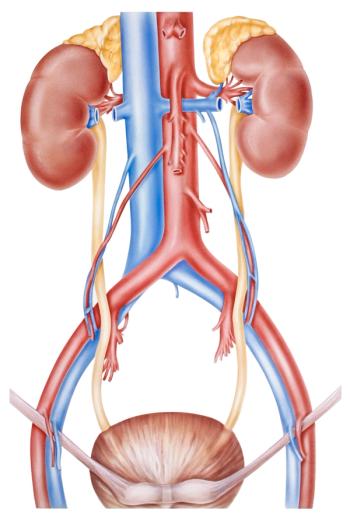
Patients with muscle-invasive bladder cancer who remain molecular residual disease negative following cystectomy may be spared from adjuvant therapy.
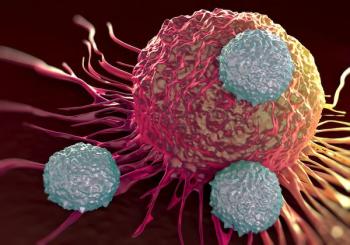
Retrospective findings may establish a “framework” for improving the accessibility, timeliness, and appropriateness of surgical cancer care in disadvantaged areas.
Jonathan Zager, MD, spoke about the use of observation vs systemic immunotherapy to treat patients with stage IIIA and IIIB melanoma.

The characteristics of rare earth ceramics may yield more consistent microwave energy penetration during the treatment of those with thyroid nodules.

Rian M. Hasson Charles, MD, MPH, FACS, discusses advances in equitable lung cancer screening and her experiences as a woman in thoracic oncology.

Pegulicianine-guided breast cancer surgery may allow practices to de-escalate subsequent radiotherapy, says Barbara Smith, MD, PhD.

Investigators will assess the PRE-ACT tool’s ability to predict adverse effects such as skin and heart damage in a phase 3 trial.

Adrienne Bruce Shannon, MD, discussed ways to improve treatment and surgical outcomes for patients with dMMR gastroesophageal cancer.
Barbara Smith, MD, PhD, spoke about the potential use of pegulicianine-guided breast cancer surgery based on reports from the phase 3 INSITE trial.

Rian M. Hasson Charles, MD, MPH, FACS, has a first-of-its-kind role at Brigham and Women’s Hospital that will focus on health equity.

Patient-reported symptoms following surgery appear to improve with the use of perioperative telemonitoring, says Kelly M. Mahuron, MD.

Treatment options in the refractory setting must improve for patients with resected colorectal cancer peritoneal metastasis, says Muhammad Talha Waheed, MD.

Targeted imaging and biopsy may accurately identify patients with breast cancer who do not have residual disease, according to Henry Kuerer, MD, PhD, FACS, CMQ.

Treatment with simple hysterectomy reduces the incidence of urinary incontinence compared with radical hysterectomy in patients with low-risk cervical cancer.

Findings from the INSITE trial support the Medical Imaging Drugs Advisory Committee’s positive opinion on pegulicianine for breast cancer surgery.

“Ultimately, we’re going to be able to see more patients, offer more precise surgery more efficiently, and that means just better outcomes for our patients here in the Intermountain West,” said Hilary McCrary, MD, MPH

Findings suggest that harnessing the tumoral node microenvironment may improve the ability to predict extracapsular nodal extensions in patients with oropharyngeal carcinoma.

Patients with factors such as lymphovascular space invasion or positive glossectomy specimen margins may be considered for adjuvant radiotherapy to optimize disease control of tongue squamous cell carcinoma.
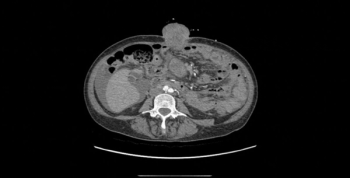
We present the case of a 51-year-old woman with metastatic International FIGO stage IIIC ovarian cancer who had delayed her therapy after initial laparoscopy due to COVID-19 infection and presented with an extreme case of surgical port metastasis.
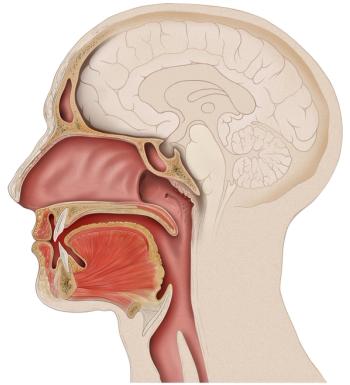
A prospective phase 2 trial evaluated the use of de-escalation therapy for patients with p16-positive squamous cell carcinoma.

Higher CA19-9 levels appear to correlate with increased recurrence and mortality for specific patients with pancreatic cancer who undergo surgical resection.
Results from cohort A of a pilot study of patients with HPV–associated oropharyngeal carcinoma did not meet its primary end point.
Advertisement
Advertisement
Trending on CancerNetwork
1
Modifiable Risk Factors Suggest Potential for Improving Cancer Prevention
2
2026 Tandem Meetings: What’s the Latest Research in Multiple Myeloma?
3
Dato-DXd Receives Priority Review in Unresectable/Metastatic TNBC
4
Barriers to CAR T-Cell Referral and Center Access in Multiple Myeloma
5