





Surgery
Latest News
Advertisement
Latest Videos



CME Content































Advertisement
More News

Breast MRI in patients with newly diagnosed breast cancer increased mastectomy rates and biopsy needs.

Findings from the COMET trial support the potential safety and acceptability of active monitoring among patients with ductal carcinoma in situ.
Factors such as World Health Organization status appeared to correlate with early mortality in an elderly non–small cell lung cancer cohort.

As a gynecologic oncology surgeon, Mario M. Leitao, MD, FACOG, FACS, highlights how his career has evolved through using robotic surgery, new fertility preservation techniques, and his contributions to the research field.

“Even after doing 10,000 of these operations, we are tweaking [the hood technique]…to make things better,” according to Ash Tewari, MD, MBBS, MCh, FRCS.
The hood technique, developed by Ash Tewari, MD, aids in facilitating earlier returns of continence with reduced residual cancer rates.

Anant Madabhushi, PhD, and Farzad Fereidouni, PhD, are developing the MarginCall technology to reduce time lag and improve tumor margin assessment accuracy in breast and ovarian cancer surgery.

Incorporating frailty evaluation into practice may alter clinical decision-making for preoperative planning and patient counseling for gynecologic surgery.

Postoperative pulmonary complications were reduced with enhanced recovery after surgery vs control in elderly patients with non–small cell lung cancer.
A pCR rate of 44% was observed when neoadjuvant pembrolizumab was given to patients with dMMR colon cancer.

Standardizing surgical outcomes and better training oncologic surgeons may be accomplished through the use of AI.

Efficacy findings from a phase 2 trial demonstrated that abenacianine visualized lung tumor tissue and was well tolerated when used during surgery.

According to a retrospective study, patients with the BRCA gene who underwent risk-reducing mastectomy/salpingo-oophorectomy had improved survival outcomes.

Meta-analysis data show moderate decreases in distant recurrence and breast cancer mortality with immediate surgery after longer follow-up.
Findings speak to the need of cultural, racial, and ethnic inclusion when designing breast cancer trials and developing patient-reported outcome measures.
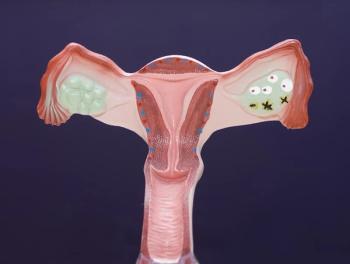
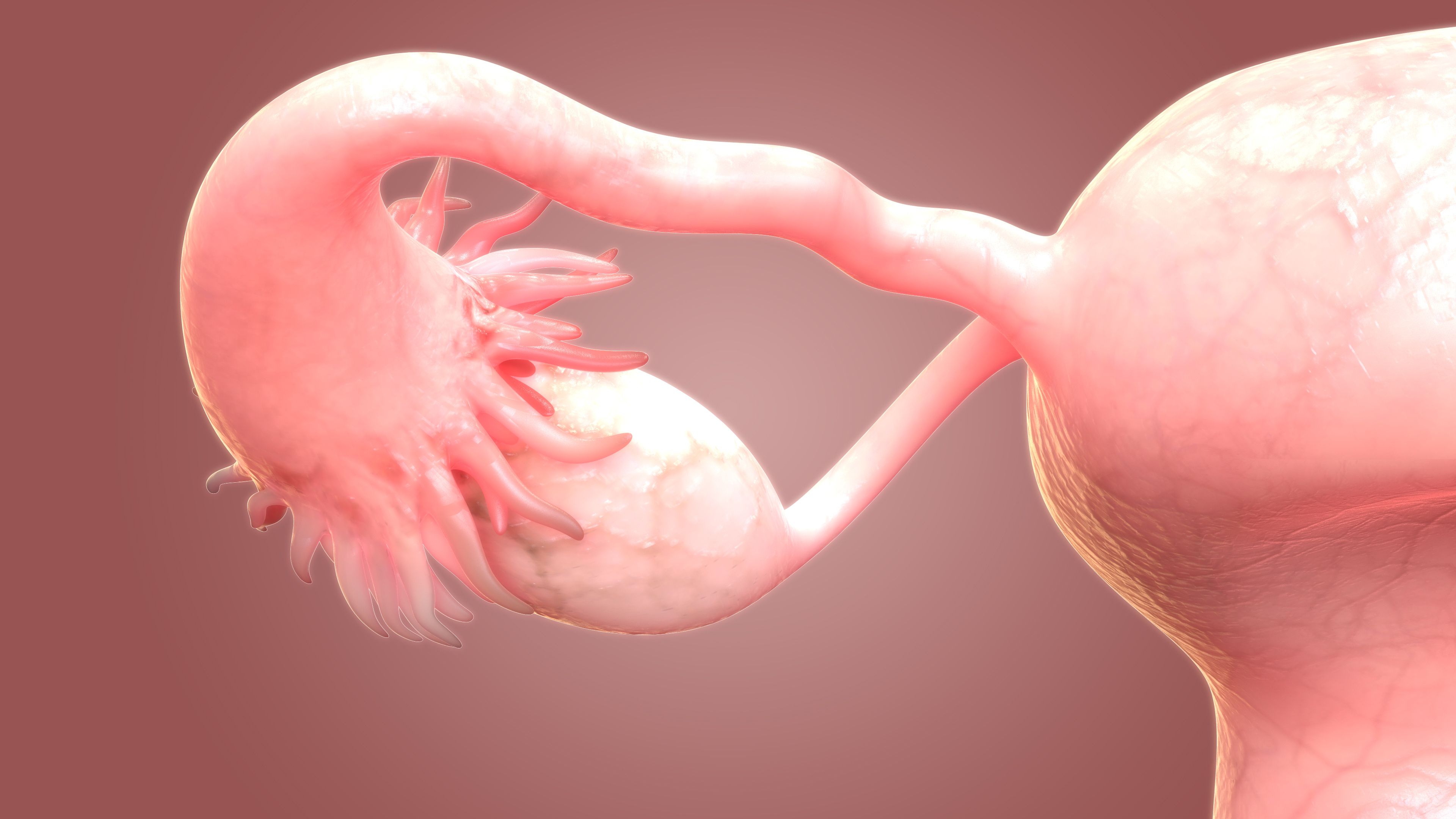
A new surgical option of uterine transposition may help preserve fertility for women who have cancers of the pelvic region.

Use of DCISionRT may open new options for tailored treatments among patients with HER2-positive ductal carcinoma in situ.
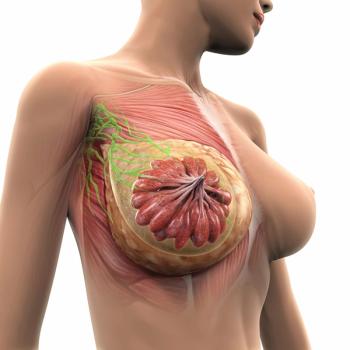
Hypofractionated postmastectomy radiotherapy was noninferior to standard radiation in patients who underwent a mastectomy.
Uterine transposition is a newer tactic in the surgical oncology field to help preserve fertility for patients undergoing pelvic radiation.
As the uterus is moved to the anterior abdominal wall, patients now have a chance of preserving their fertility during radiation therapy.

NO-CUT trial data show that DRFS was maintained when non-operative management was used in patients with pMMR locally advanced rectal cancer.

Alessio Pigazzi, MD, PhD, FACS, FASCRS, provides advice for upcoming surgeons starting out in the colorectal cancer field.
Alessio Pigazzi, MD, PhD, FACS, FASCRS, discussed how robot-assisted surgery for colorectal cancers has evolved over the past 20 years.
Alessio Pigazzi, MD, PhD, FACS, FASCRS, discussed surgical and medical oncology developments in the colorectal cancer field.
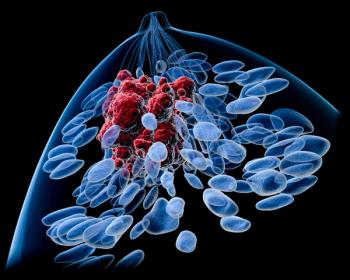
A user-friendly “nudge” may provide a timely reminder to surgeons to consider the value of sentinel lymph node biopsy in older patients with breast cancer.
Advertisement
Advertisement
Trending on CancerNetwork
1
Modifiable Risk Factors Suggest Potential for Improving Cancer Prevention
2
Dato-DXd Receives Priority Review in Unresectable/Metastatic TNBC
3
2026 Tandem Meetings: What’s the Latest Research in Multiple Myeloma?
4
Barriers to CAR T-Cell Referral and Center Access in Multiple Myeloma
5