




Leukemia
Latest News
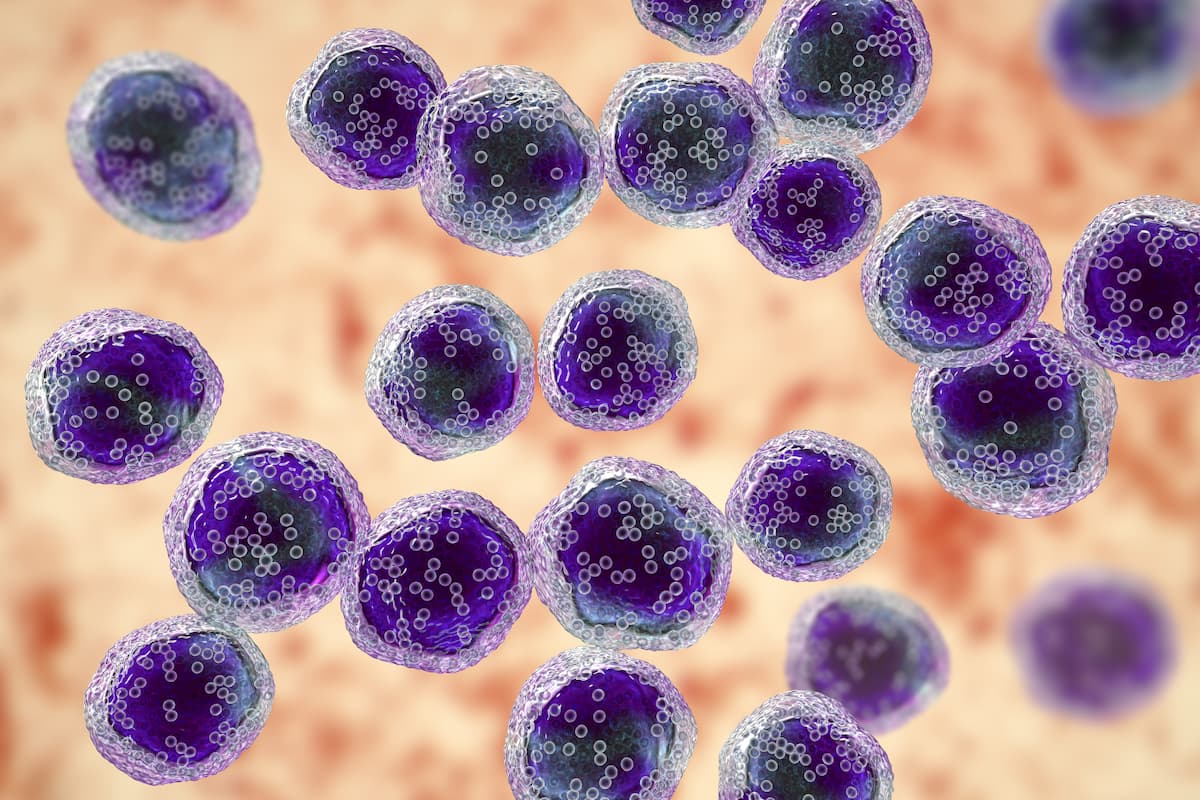
KO-539 Plus Targeted Therapies Yields Synergistic Activity for KMT2A-Rearranged and NPM1-Mutated AML Models
By Kristi Rosa
Advertisement
Latest Videos



CME Content































Advertisement
More News

Susan M. O’Brien, MD, on upcoming 2022 trends in chronic lymphocytic leukemia treatment.

A cohort study did not identify strong associations between outpatient or inpatient neutropenia management and increased bacteremia incidence, treatment delays, or worse health-related quality of life for pediatric patients with acute myeloid leukemia.
A non inferiority design was presented at ASH 2021 for acalabrutinib plus venetoclax in treatment-naive chronic lymphocytic leukemia or small lymphocytic leukemia.

CancerNetwork® reflects on developments in the chronic lymphocytic leukemia space throughout 2021 and potential future events that may take place in 2022 with Matthew S. Davids, MD, MMSc.

Maintenance oral azacitidine produced a sustained survival benefit over placebo for patients with acute myeloid leukemia in first remission.
Susan M. O’Brien, MD, discussed the emergence of noncovalent BTK inhibitors for treating chronic lymphocytic leukemia.

Jennifer A. Woyach, MD, spoke about the results of a study conducted in elderly patients treated with an ibrutinib-containing regimen for chronic lymphocytic leukemia at 55 months of follow-up.
The combination of high-frequency and low-dose acalabrutinib and rituximab demonstrated a 100% overall response rate in patients with chronic lymphocytic leukemia/small lymphocytic lymphoma.

Acalabrutinib produced positive quality-adjusted survival benefits over other treatment options for patients with relapsed/refractory chronic lymphocytic leukemia.
A post-hoc analysis of a phase 3 trial presented at 2021 ASH indicate that acalabrutinib may be favorable in terms of toxic burden and cardiovascular-related events when compared against ibrutinib for treating chronic lymphocytic leukemia.

A phase 2 study has begun recruiting patients with relapsed/refractory acute myeloid leukemia to test the efficacy of magrolimab.
Standard of care treatment was superior to the combination of ibrutinib plus venetoclax in terms of decreasing minimal residual disease for previously untreated patients with chronic lymphocytic leukemia.

The time-limited combination of ibrutinib plus chemoimmunotherapy in younger fit patients with chronic lymphocytic leukemia increased the rate of complete responses with bone marrow undetectable minimal residual disease, regardless of IGHV mutation, according to long-term follow-up data.
Patients with previously untreated chronic lymphocytic leukemia derived a better progression-free survival benefit from treatment with ibrutinib and rituximab vs fludarabine, cyclophosphamide, and rituximab.
Elderly patients treated with ibrutinib-containing regimens for chronic lymphocytic leukemia saw a progression-free survival benefit vs those who received rituximab and bendamustine.

A study presented at 2021 ASH found that costs and time spent managing adverse effects varied significantly in patients with chronic lymphocytic leukemia who were being treated with acalabrutinib, ibrutinib, and venetoclax.
Tolerable safety and durable remissions seen with ublituximab and umbralisib plus ibrutinib for patients with chronic lymphocytic leukemia who had detectable minimal residual disease after previous ibrutinib therapy.
Improvement in major molecular response rate and depth of response coupled with a favorable safety profile were noted with asciminib vs bosutinib in patients with chronic-phase chronic myeloid leukemia.
After 3 years of follow-up in the ASCEND study, progression-free survival continues to favor acalabrutinib vs investigator’s choice of therapy for relapsed chronic lymphocytic leukemia.
Patients with chronic lymphocytic leukemia experienced improved quality of life after being treated with continuous ibrutinib and rituximab, as well as frontline fludarabine, cyclophosphamide, and rituximab.
The infusion of E-Coli- and Erwinia-derived asparaginase therapies combined with chemotherapy appeared to be well tolerated with biological efficacy in patients with acute lymphoblastic leukemia under the age of 55, providing an additional option for patients for whom further asparagine treatment is contraindicated due to toxicity.
A population of patients with relapsed/refractory B-cell acute lymphoblastic leukemia appeared to have comparable real-world benefit from tisagenlecleucel compared with findings from the phase 2 ELIANA trial.

In a population of patients with chronic myeloid leukemia with resistant disease experienced promising activity following treatment with ponatinib regardless of T315I mutation status.
Jennifer A. Woyach, MD, spoke about the phase 3 AO41202 study, which investigated different ibrutinib regimens for elderly patients with chronic lymphocytic leukemia.

High rates of undetectable minimal residual disease were found in fit patients with chronic lymphocytic leukemia who were treated with venetoclax plus either obinutuzumab or ibrutinib vs chemoimmunotherapy.
Advertisement
Advertisement
Trending on CancerNetwork
1
Modifiable Risk Factors Suggest Potential for Improving Cancer Prevention
2
2026 Tandem Meetings: What’s the Latest Research in Multiple Myeloma?
3
Barriers to CAR T-Cell Referral and Center Access in Multiple Myeloma
4
Dato-DXd Receives Priority Review in Unresectable/Metastatic TNBC
5